
 English
 عربى
عربى
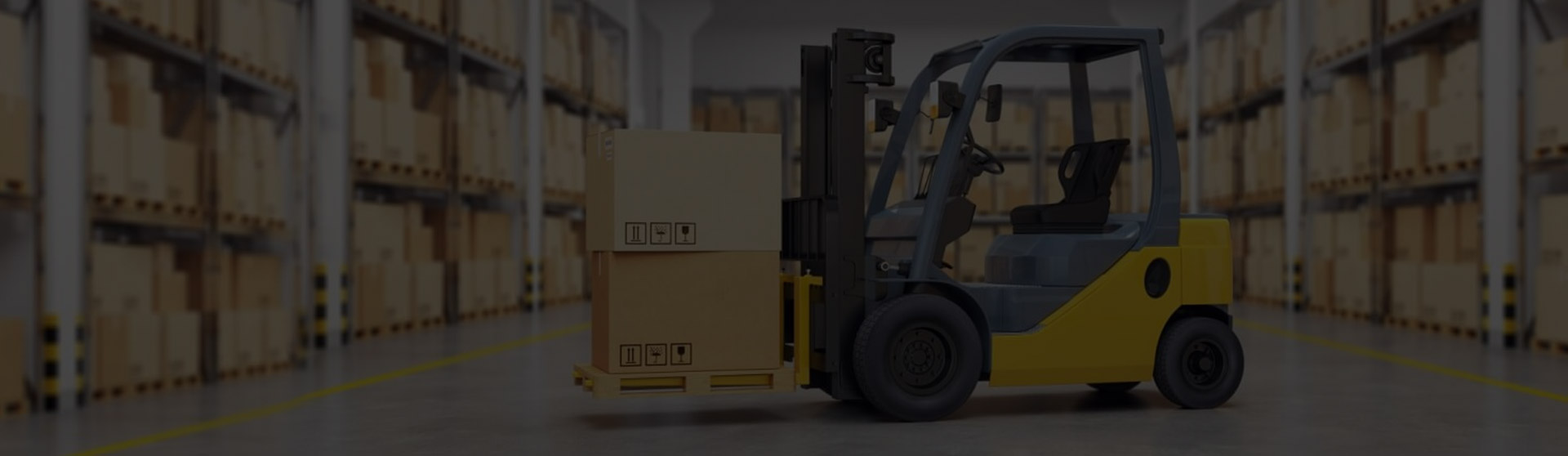

During a routine 1,000-hour service, a technician finds the brake shoes on a Heli 3-ton forklift worn below the recommended thickness. The parts are ordered that afternoon, and the truck is back in service the next day. The same repair done as an emergency would have meant days of downtime and a premium-priced rush order. That is why a forklift maintenance schedule matters: it turns predictable wear into a planned event before it becomes a breakdown.
Content
- 1 The Real Cost of Skipping a Forklift Maintenance Schedule
- 2 Forklift Maintenance Intervals at a Glance
- 3 Daily Operator Checks vs. Scheduled Forklift Maintenance
- 4 What Gets Inspected at Each Service Level
- 5 Brake System Maintenance Deserves the Most Attention
- 6 How to Build a Forklift Maintenance Schedule That Works
- 7 The Right Parts Keep the Schedule Honest
The Real Cost of Skipping a Forklift Maintenance Schedule
The conclusion is simple: preventive maintenance is dramatically cheaper than emergency repair. Industry estimates commonly put the cost of a reactive repair at three to five times the same job done on schedule, before counting lost productivity.
A forklift down mid-shift stalls loading, shipping, and production lines that depend on it. Even a short delay can ripple across an entire warehouse schedule. Small faults become large ones too: a leaking brake cylinder ignored at 1,000 hours can ruin brake shoes by 1,500 hours, adding both parts and labor to the bill. OSHA 29 CFR 1910.178(q) also requires trucks to be maintained in safe operating condition, and findings corrected promptly reduce the risk of citations — and, more importantly, of accidents.
Fleets that follow a schedule see a longer service life and better resale value, because documented maintenance history is the first thing a buyer asks for.
Forklift Maintenance Intervals at a Glance
Most forklift manufacturers design service around operating hours rather than calendar dates. The common reference points are 250, 500, 1,000, and 2,000 hours, with daily pre-shift checks at the base of the pyramid.
| Service Point | Typical Timing | What It Covers |
|---|---|---|
| Daily / pre-shift | Every shift | Fluid levels, brake function, tires, lights, horn, forks, visible leaks |
| 250 hours | Every 6 weeks | Grease points, brake shoe check, chain lubrication and adjustment, engine oil top-up / filter inspection |
| 500–600 hours | Every 3–4 months | Engine oil and filter change, hydraulic return filter, battery check, tire torque |
| 1,000 hours | Every 6 months | Transmission, differential, hydraulic system, brake cylinders and lines, steering |
| 2,000 hours | Annually | Full preventive overhaul: brake shoes and drums, wheel bearings, coolant, hoses, safety components |
Internal combustion forklifts are typically serviced every 250–300 hours, while electric forklifts are often serviced at 500-hour intervals because the drivetrain is simpler. Heavy use, dusty environments, cold storage, and multi-shift operation all justify shortening these intervals.
Daily Operator Checks vs. Scheduled Forklift Maintenance
Both are part of one system, but they answer different questions. Daily checks catch visible problems; scheduled services catch invisible wear.
What the operator does every day
- Checks fluid levels, tire condition, brake pedal feel, steering, forks, horn, lights, and obvious leaks.
- Reports anything unusual through the daily checklist, even if the truck still runs.
- Takes about 10 to 15 minutes per forklift at the start of a shift.
What the technician does on the clock
- Opens components, measures wear, and replaces filters and fluids by hours rather than by symptoms.
- Inspects brake linings, hydraulic hoses, wheel bearings, and mast chains that are not visible to the operator.
- Updates the maintenance record so the next interval is documented.
The two loops meet in the maintenance log. A daily finding should create a work order; a service visit should update the operator's checklist for the next cycle.
What Gets Inspected at Each Service Level
250 hours — lubrication and wear points
Wheel bearings, mast rollers, carriage chains, and brake linkage take the grease. Brake shoes are checked for thickness, and drive belts and coolant hoses get a visual scan.
500–600 hours — fluids and filters
Engine oil and filters are changed on internal combustion units; hydraulic return filters go on both diesel and electric trucks. Battery terminals, cable connections, and electrolyte levels are checked on electric models.
1,000 hours — systems under load
This is the critical safety interval. The brake system is opened: wheel cylinders are inspected for leaks, fluid levels are confirmed, and drums are checked for scoring. Steering ball joints, transmission mounts, and wheel nut torque also receive attention.
2,000 hours — the annual overhaul
Brake shoes and drums get a full inspection with measurement; worn brake shoes, cylinders, and return springs are replaced as a set. Wheel bearings are repacked or replaced, coolant is changed, and hydraulic hoses are replaced at any sign of cracking or chafing. This is also the moment to replace the brake repair kit, restoring the springs, pins, and retainers to original geometry.
Brake System Maintenance Deserves the Most Attention
Brakes are the most safety-critical system on any forklift, and they are also the most common finding in inspections of older trucks. Pedal fade, uneven braking, loud shoes, or a truck that pulls to one side are warnings, not normal behavior. By the 2,000-hour mark, friction material and hydraulics should be inspected and replaced before they fail, not after.
When the schedule calls for brake service, the right parts have to match the specific forklift. A 3-ton Heli, a 2-ton Hangcha, and a Toyota 8F may look similar from the outside, but their brake assemblies, shoes, and cylinders differ by tonnage, left or right application, and pump type. Ordering the correct part the first time is the difference between a one-day service and a parts chase.
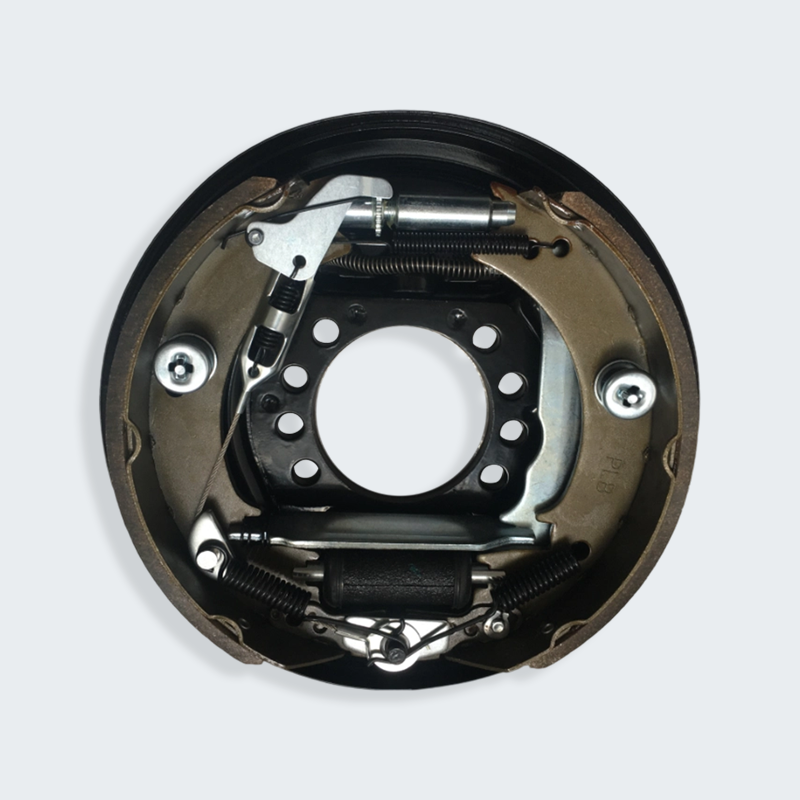 Heli 3-Ton Forklift Left Brake AssemblyThis assembly is made for the left side of a 3-ton Heli forklift. It delivers consistent braking force for safe stops during heavy handling, and it is important to verify your truck's exact brake configuration before ordering.View Product →
 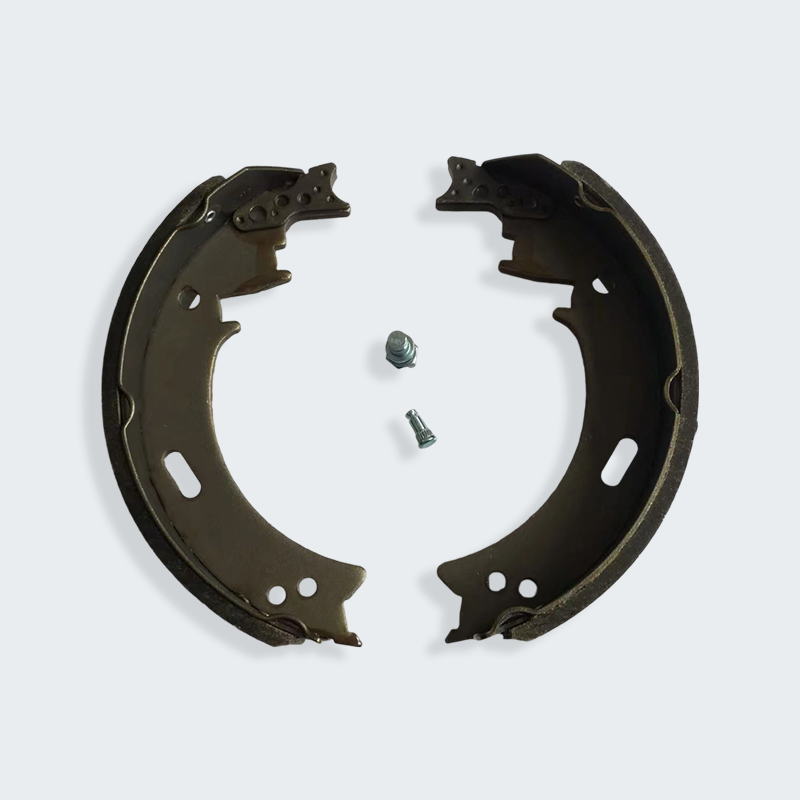 3-Ton Brake Shoe for Hangcha, Heli, LiuGong, Lonking ForkliftsA direct-replacement brake shoe engineered for common 3-ton forklifts from several major Chinese brands. It uses a high-temperature-stable friction material to maintain braking response, and it is a key wear part when servicing the drum brakes.View Product →
 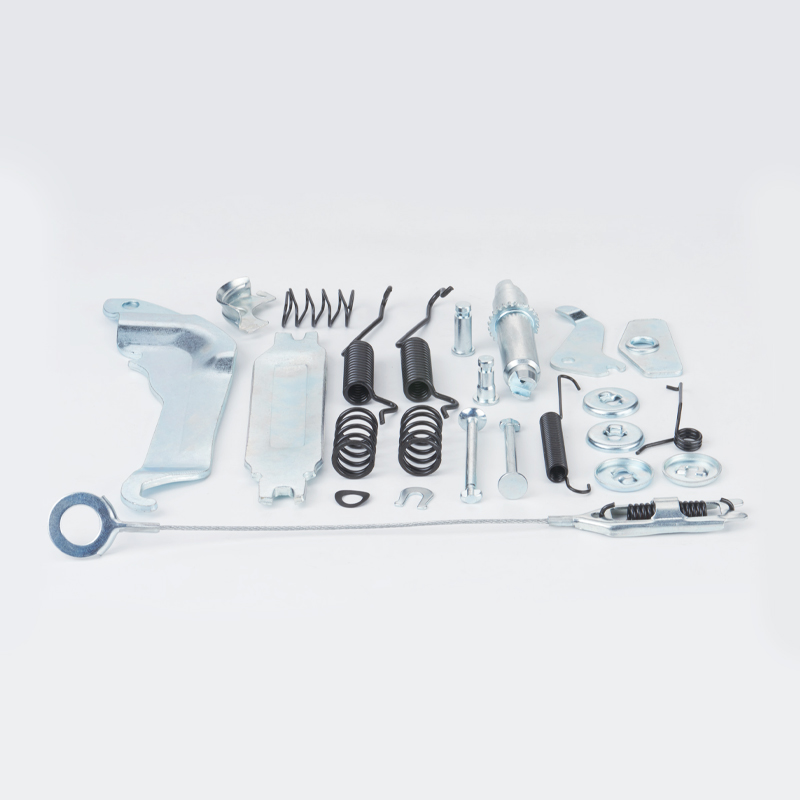 3-Ton Brake Repair Kit for Hangzhou and Heli ForkliftsThis repair kit restores braking on 3-ton Hangzhou or Heli forklifts. It includes precision seals and fittings to prevent fluid leaks and maintain hydraulic pressure. It offers a cost-effective way to reduce downtime and extend brake system service life.View Product →
For a deeper look at how braking systems work and how to maintain them, our guide on forklift brake functions, principles, and maintenance explains the full failure chain from pedal to wheel.
How to Build a Forklift Maintenance Schedule That Works
A schedule that nobody follows is just a document. These five steps make it part of daily operations.
- Record operating hours weekly. Hour meters are the backbone of scheduling; if a truck lacks a working meter, install one.
- Set milestones in a shared calendar: 250, 500, 1,000, and 2,000 hours per unit, with a 10 percent tolerance for trucks that run more hours than expected.
- Assign an owner. Operators own the daily check, a technician owns each service interval, and the fleet manager or warehouse supervisor audits the records.
- Pre-order critical parts before the 2,000-hour service. Knowing the truck model, serial number, and service history lets a specialist prepare the right components in advance.
- Review the log every quarter. Repeated repairs on the same system usually point to a deeper problem, not bad luck.
The Right Parts Keep the Schedule Honest
A forklift maintenance schedule is only as reliable as the parts that go into it. A brake shoe that is close but not identical, a repair kit for the wrong tonnage, or a steel rim with the wrong offset will fail early and cost more than it saved. Buying from a specialist who stocks matched components for common brands such as Hangcha, Heli, Lonking, Toyota, and Komatsu shortens the service window and keeps the schedule credible.
If you are setting up a maintenance schedule or preparing for the next 2,000-hour service, contact our team with the truck model and hour reading. We will help you confirm the parts you need before the forklift enters the workshop.
