
 English
 عربى
عربى
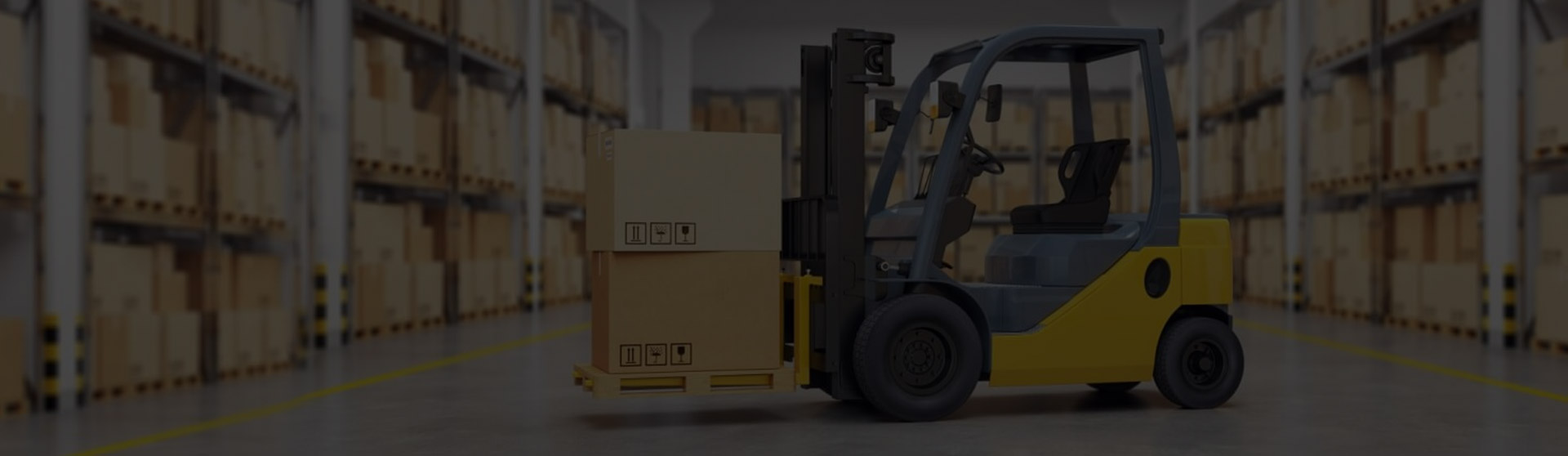

You are standing beside a counterbalance forklift with a brake failure report in your hand. Before ordering anything, you walk around to the mast and read the data plate. That small metal label identifies the truck's model, tonnage, and configuration — and it determines which brake assembly, brake shoe, or steel rim will fit.
The forklift data plate, also called the capacity plate or nameplate, is the official record of the truck's identity and safe working limits. Every serious maintenance and parts decision should start there. This article explains what each field means, how to read a capacity chart, and why the plate is your most reliable tool for ordering correct replacement parts.
Content
- 1 What Is a Forklift Data Plate and Where Do You Find It?
- 2 Key Information Listed on a Forklift Data Plate
- 3 How to Read the Load Capacity Information
- 4 Using the Data Plate to Order the Correct Replacement Parts
- 5 What to Do When the Data Plate Is Missing or Illegible
- 6 Three Practical Habits That Keep Data Plates Useful
What Is a Forklift Data Plate and Where Do You Find It?
The data plate is a placard attached by the original equipment manufacturer. It records the forklift's identity, configuration, and rated performance as built. Safety regulations such as the OSHA Powered Industrial Trucks standard treat the nameplate as a required component, so operating a forklift with a missing or illegible plate is a compliance violation.
On most counterbalance forklifts you will find the plate in one of three places:
- On the front face of the mast, below the carriage at eye level.
- On the inside of the overhead guard, directly in the operator's line of sight.
- On the dashboard or cowl beside the steering column.
If the plate is damaged, faded, or painted over, do not rely on memory. Tag the truck out of service and request a replacement before further operation.
Key Information Listed on a Forklift Data Plate
A standard plate packs a surprising amount of data into a small area. These are the fields you should be able to locate and interpret within one minute:
| Field | What It Tells You | Why It Matters |
|---|---|---|
| Manufacturer | The original brand of the truck. | Parts are rarely interchangeable between brands. |
| Model number | The specific series and configuration. | Matches factory parts diagrams and service literature. |
| Serial number | Unique identifier of that individual truck. | Required for OEM parts tracing and replacement plates. |
| Truck weight | Empty weight of the complete forklift. | Critical for transport, floor loading, and repair stands. |
| Fuel type | Gasoline, diesel, LPG, or electric. | Determines engine parts, exhaust, and electrical components. |
| Mast type and back tilt | Mast height, free lift, and tilt angle. | Changes the capacity curve and cylinder specifications. |
| Rated capacity | Maximum load at a stated load center. | The core safety figure for every lifting operation. |
| Load center distance | Distance from the fork face to the load's center of gravity. | Safe capacity drops as load center increases. |
| Tire size and type | Pneumatic, cushion, or solid, including rim size. | Directly links to steel rim and tire replacement. |
Some plates also list attachment restrictions, counterweight options, and special operating conditions. Any modification — adding a sideshifter, changing the mast, or switching tire types — must be documented through a revised plate issued by the manufacturer or a qualified engineer.
Minimum Fields Required for Compliance
At minimum, a compliant data plate must show the manufacturer's name, model identification, rated capacity, load center, truck weight, fuel type, and attachment information. If any of these core fields is missing, the plate no longer certifies the truck's safe operation.
How to Read the Load Capacity Information
The rated capacity on a data plate is always tied to a load center distance. A common example: a 3-ton forklift rated at a 500 mm load center cannot safely carry 3 tons if the load's center of gravity moves to 600 mm.
Use this sequence whenever you evaluate a lift:
- Locate the rated capacity and the load center printed on the plate.
- Measure the actual load center: the midpoint of the load from the fork face.
- Compare the actual load center with the plate value.
- If the load center is larger, reduce the lift weight proportionally.
- Consult the truck's capacity chart before attempting the move.
For example, a truck rated 3,000 kg at 500 mm load center is typically limited to about 2,500 kg at 600 mm. This is why the plate is a working reference, not a decorative label.
Using the Data Plate to Order the Correct Replacement Parts
In a workshop, the data plate is a parts-ordering tool. Forklift brake assemblies, brake shoes, brake cylinders, and steel rims are manufactured to match specific models and tonnage classes. A 3-ton Hangcha and a 3-ton Heli may look similar, but their mounting holes, cylinder bores, and rim offsets differ.
When the plate on a 3-ton Hangcha confirms an A30 or X30 model, the correct brake assembly is the tonnage-specific unit designed for that axle:
For a Heli truck in the CPCD30 family, the plate points to a different brake assembly and brake shoe set. Reading the model number before ordering prevents a costly mismatch:
Brake cylinders follow the same logic. A 4.5- to 5-ton forklift with a widened brake system requires the widened cylinder, not a standard one. The plate confirms the tonnage and variant so the cylinder matches the axle:
Whether you source from us or another supplier, the information read from the plate is exactly what a parts specialist needs to confirm fitment. To understand how each brake component works once installed, review our guide to forklift brake functions and maintenance.
What to Do When the Data Plate Is Missing or Illegible
A missing or worn plate is more than an inconvenience. It exposes the company to regulatory citations, can invalidate insurance coverage, and removes the safe capacity reference that operators depend on.
Follow these steps if you discover a damaged or absent plate:
- Stop using the forklift immediately and tag it out of service.
- Find the model and serial numbers stamped on the chassis or frame.
- Contact the original manufacturer or an authorized parts supplier with those numbers.
- Request a replacement plate that matches the original configuration.
For modified trucks, check the plate regularly to confirm it reflects the current mast, tires, and attachments. A change in tire type or mast height must be documented with a revised plate before the truck returns to service. If you need help interpreting a plate for any model in your fleet, our team can review the details and guide you to the right part — just send us the plate information.
Three Practical Habits That Keep Data Plates Useful
Forklift fleets run smoother when the data plate is treated as a living reference. These three habits save time and prevent wrong orders:
- Photograph every plate. Store the image in the truck's service file so you can read the details without walking to the machine.
- Verify the plate after every repair. Confirm that the replacement brake assembly, cylinder, or rim matches the plate data before sign-off.
- Inspect the plate when buying used forklifts. A missing or mismatched plate is a red flag that should be resolved before purchase.
Behind every safe lift and every correctly fitted part is a simple habit: read the data plate first. It gives you the truck's true identity, its capacity limits, and the specifications that lead to the right brake assembly, brake shoe, cylinder, and steel rim. Make the plate your first checkpoint, and every maintenance decision becomes more accurate.
