
 English
 عربى
عربى
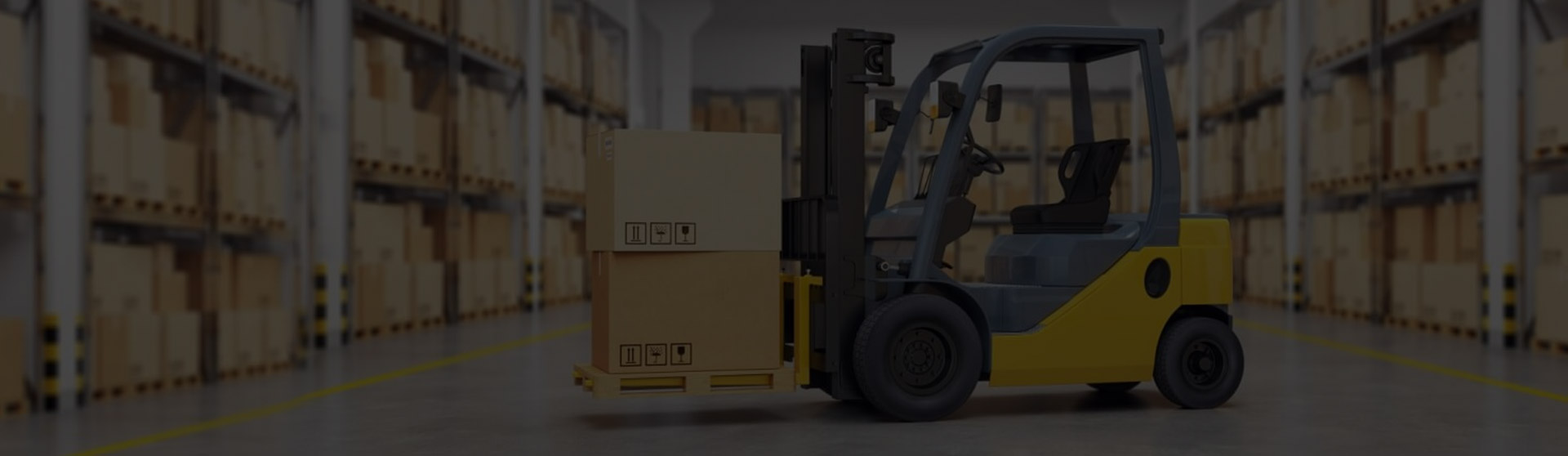

Forklifts, as common heavy equipment in industrial settings, carry out important cargo handling tasks. Ensuring their proper functioning is crucial for improving work efficiency and guaranteeing safety. The forklift brake system, as a core component ensuring driving safety, directly affects the operational safety of the forklift. Unusual noises in the brake system are a common malfunction. Ignoring this problem can lead to decreased equipment performance and even safety accidents.
This article will help you understand the causes of unusual noises in the forklift brake system and provide corresponding solutions and preventive measures to help you effectively troubleshoot problems and ensure the safety and reliability of your forklift.
1. Reasons for unusual noises in the forklift brake system
There are many reasons for unusual noises in the forklift brake system, which can usually be divided into the following categories:
(1) Excessive brake pad wear
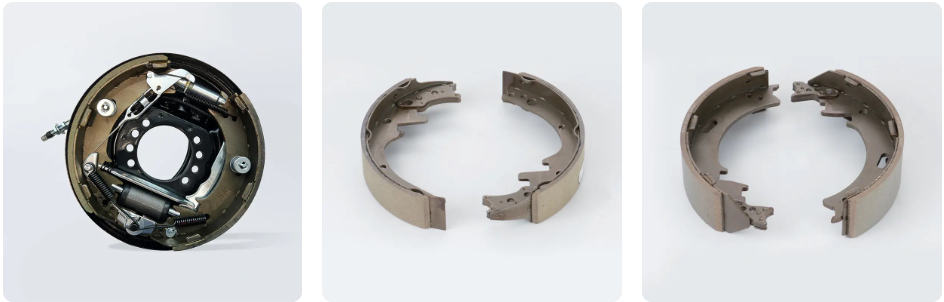
One of the most common reasons is brake pad wear. With prolonged use, the friction surface of the brake pads gradually thins, leading to reduced braking effectiveness. If the brake pads are worn to their limit, metal-to-metal friction may occur, producing unusual noises.
Inspection method: Regularly check the thickness of the brake pads. If the brake pads are severely worn, they should be replaced promptly.
(2) Foreign objects between the brake pads and brake discs
Foreign objects between the brake pads and brake discs can also cause unusual noises. For example, sand, small stones, and other debris entering the braking system can affect the contact between the brake pads and brake discs, causing irregular friction and resulting in squeaking or grinding noises.
Inspection method: Check for foreign objects between the brake pads and brake discs. If present, remove them promptly.
(3) Insufficient or deteriorated brake fluid
Brake fluid plays a crucial role in the braking system. Insufficient or deteriorated brake fluid can lead to reduced braking effectiveness and even unusual noises. Insufficient brake fluid affects the normal operation of the brakes, leading to uneven pressure and unusual noises.
Inspection method: Regularly check the brake fluid level and quality. If it is insufficient or deteriorated, add or replace it promptly.
(4) Uneven brake disc surface
With prolonged use, the surface of the brake disc may become uneven due to uneven wear. When the brake pads come into contact with an uneven brake disc, it can lead to unbalanced friction and produce abnormal noises.
Inspection method: Check the surface of the brake disc for smoothness. If uneven wear is found, the brake disc should be replaced or repaired promptly.
(5) Loose braking system
If components in the braking system are loose or bolts are loose, it can also hinder the normal operation of the system and produce abnormal noises. Loose components will vibrate during braking, producing squeaking or knocking sounds.
Inspection method: Regularly inspect all components of the braking system, ensuring that bolts are tightened and components are not loose.
(6) Brake caliper malfunction
The brake caliper is a very important component in the forklift's braking system. If the brake caliper is not working properly, it may lead to uneven contact between the brake pads and the brake disc, thus producing abnormal noises.
Inspection method: Check if the brake caliper is stuck or damaged. If any problems are found, repair or replace it promptly.
(7) Tire problems
Sometimes the abnormal noise does not come from the braking system, but from tire problems. For example, low tire pressure or damaged tire surfaces may cause abnormal noise while the vehicle is moving, which may be mistakenly attributed to a problem with the braking system.
Inspection method: Check tire pressure and surface wear to ensure that the tires are in good condition.
2. Measures to resolve abnormal noises in the forklift braking system
(1) Regularly inspect and replace brake pads
To avoid abnormal noises caused by excessive brake pad wear, forklift operators and maintenance personnel should regularly check the thickness of the brake pads. Generally, when the thickness of the brake pads is below the specified value, they must be replaced promptly. If a metallic grinding sound is heard during braking, the brake pads should be checked immediately and replaced.
(2) Remove foreign objects
If there are foreign objects in the braking system, they must be removed promptly. Regularly check the gap between the brake disc and brake pads to ensure that there are no sand, stones, or other debris interfering with the normal operation of the brake pads. Using high-pressure air to clean the braking system is an effective method.
(3) Check and replace brake fluid
The quality and level of brake fluid are crucial for the normal operation of the braking system. Regularly check the brake fluid, ensuring that the level is sufficient and that the brake fluid has not deteriorated. If the brake fluid changes color or contains impurities, it should be replaced promptly, and the braking system should be checked for leaks.
(4) Leveling or replacing brake discs
Uneven brake disc surfaces can cause noise during braking, and in severe cases, may affect braking performance. If the brake discs are unevenly worn, they can be repaired by grinding to flatten the surface; if the wear is severe, it is recommended to replace the brake discs with new ones.
(5) Check and tighten loose parts
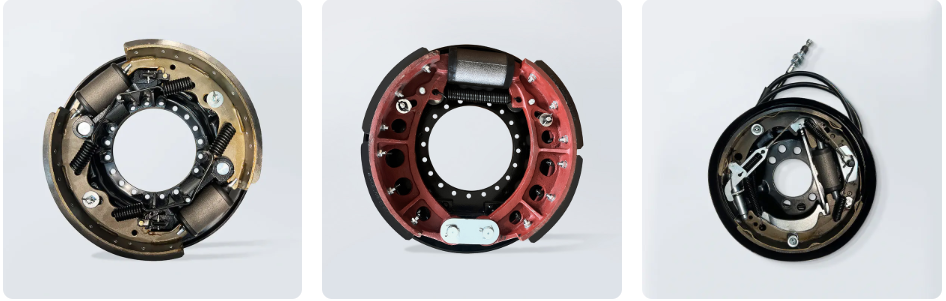
If any parts in the braking system are loose, they must be checked and tightened immediately. Regularly check all connections in the braking system to ensure that bolts and other parts are not loose, avoiding unnecessary friction and noise between parts.
(6) Check brake calipers
If the brake calipers malfunction, they should be repaired or replaced promptly. Regularly check whether the calipers are stuck or damaged to ensure they function properly and guarantee stable braking performance.
(7) Check tire condition
Although abnormal noises usually come from the braking system, tire problems can also produce similar sounds. Check whether the tire pressure is normal and whether there are cracks or other damage on the surface, to avoid mistaking tire problems for braking system malfunctions.
3. Measures to prevent abnormal noises in forklift braking systems
(1) Regular maintenance
Regularly conduct comprehensive inspections and maintenance of the forklift, including the braking system, brake fluid, brake pads, brake discs, and other key components. Regular maintenance can identify potential problems and address them promptly, preventing abnormal noises.
(2) Rational use of the forklift
Avoid excessive braking force or frequent sudden braking. Rational use of the forklift can not only extend the service life of the braking system but also reduce system wear and tear, reducing the occurrence of abnormal noises.
(3) Use high-quality parts
Using high-quality brake pads, brake fluid, and other parts helps improve the performance of the braking system and reduce the occurrence of malfunctions and abnormal noises. Choosing qualified forklift parts can ensure the stability and safety of the system.
