
 English
 عربى
عربى
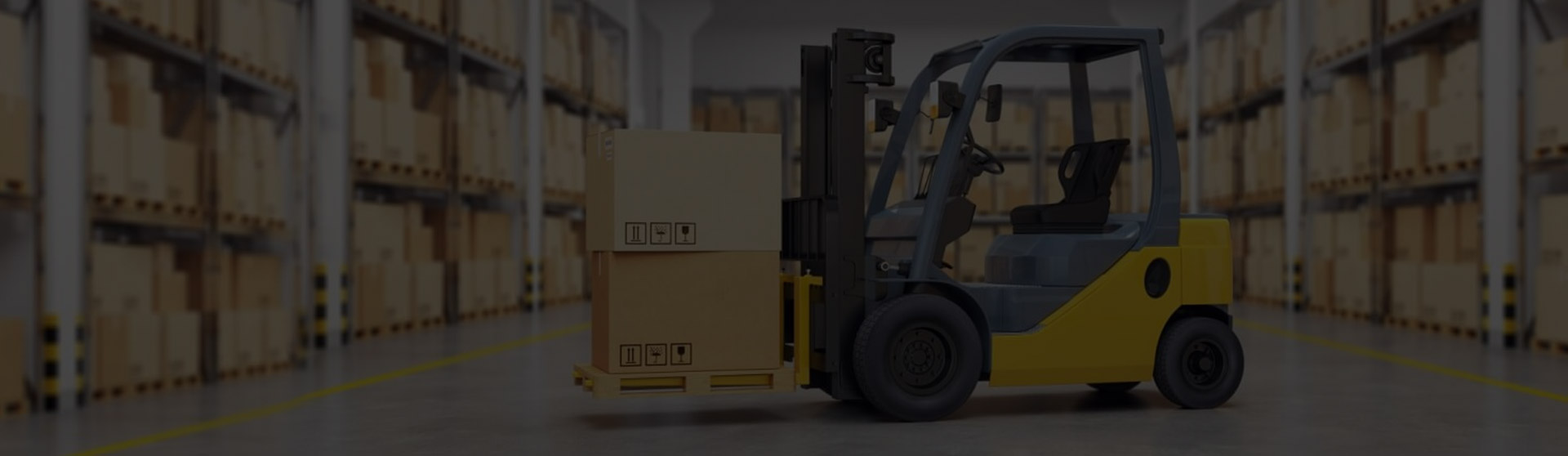

Forklifts are widely used for material handling and stacking. The forklift braking system is one of the key components that ensures safe and stable operation. Whether it's an electric forklift or an internal combustion forklift, the performance of the braking system directly affects the safety of the operator and the efficiency of cargo transportation. Therefore, a common question among many forklift operators and maintenance personnel is: Does the forklift braking system need regular replacement?
This article will explore the composition, working principle, common faults, maintenance methods, and whether regular replacement is necessary for forklift braking systems, helping you better understand the maintenance and upkeep of forklift braking systems.
1. Composition and Working Principle of the Forklift Braking System
The main function of the forklift braking system is to slow down or stop the forklift's movement by generating friction. Depending on the type of forklift, the braking system can be divided into several types, commonly including hydraulic braking systems, pneumatic braking systems, and mechanical braking systems. The following is the basic composition of a forklift braking system:
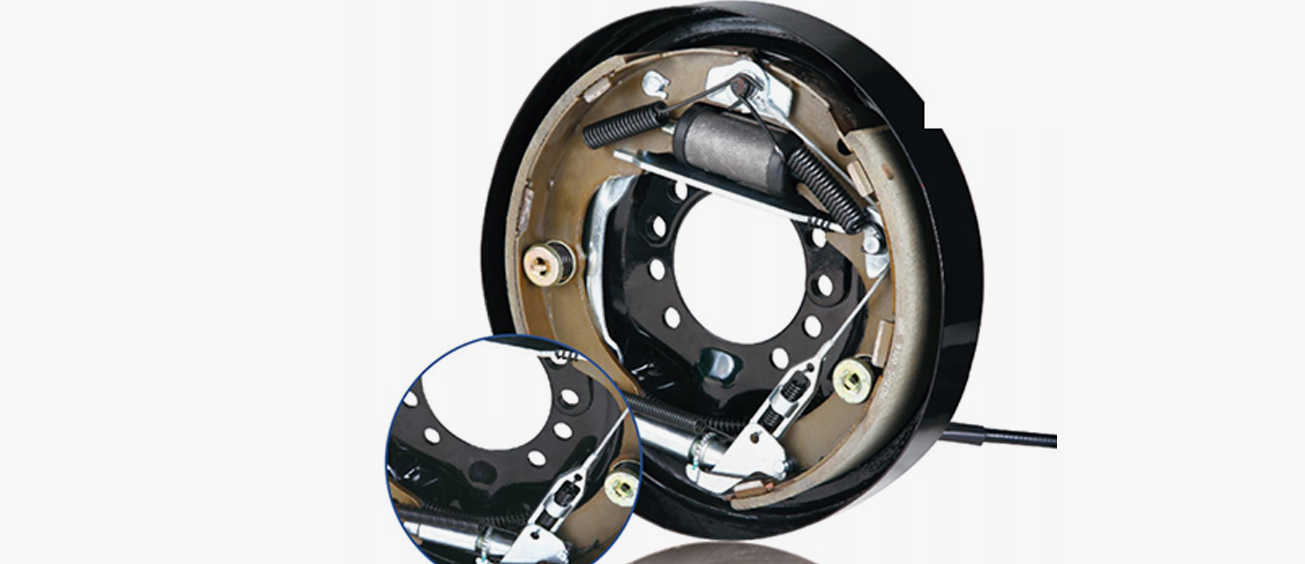
Brake disc/brake drum: This is the main friction part of the braking system. Brake discs are common in disc braking systems, while brake drums are commonly used in drum braking systems.
Brake pads/brake shoes: Brake pads and brake shoes come into contact with the brake disc or brake drum, reducing the forklift's speed through friction.
Hydraulic pump and brake fluid: Hydraulic braking systems use a hydraulic pump to provide pressure, transmitting brake fluid to various components of the braking system, causing the brake pads to press against the brake disc, thereby achieving the braking function.
Brake pedal: This is the part that the operator uses to control the brakes. Pressing the brake pedal activates the hydraulic system, which in turn triggers the braking process.
When the operator presses the brake pedal, the hydraulic or pneumatic system generates pressure, forcing the brake pads to contact the brake disc (or brake drum), thus slowing down the forklift until it stops.
2. Common Faults of Forklift Braking Systems
Due to the complex working environment of forklifts and their long-term operation under high load, the braking system is prone to varying degrees of wear and failure. Common types of faults include:
Brake failure: This may be caused by brake fluid leakage, insufficient air pressure, or hydraulic pump failure. When the braking system lacks sufficient pressure, the braking effect will be significantly reduced.
Excessive brake pad wear: Brake pads wear down due to friction after prolonged use, leading to poor braking performance. If not replaced promptly, this can lead to increased braking distance and even brake failure.
Brake noise: Uneven wear of braking system components such as brake pads and discs can produce abnormal noise. This noise not only affects the operating experience but can also be a warning sign of excessive wear.
Braking bias to one side: One side of the braking system may experience deviations due to uneven wear or uneven hydraulic distribution, causing the forklift to tilt or become unstable during braking.
Braking system leaks: Aging seals in the hydraulic or pneumatic system can lead to fluid or gas leaks, affecting braking efficiency.
3. Does the forklift braking system need regular replacement?
The forklift braking system is a consumable component, and its lifespan is affected by various factors, including the frequency of use, working environment, load, and maintenance. Depending on the usage, the forklift braking system does require regular inspection, maintenance, and even replacement of certain components. Here are some aspects to pay attention to:
(1) Brake pad/brake shoe replacement
Brake pads or brake shoes are among the most easily worn components of the forklift braking system. Depending on the forklift's usage, the replacement cycle for brake pads is approximately every 500 to 1000 hours, or according to the manufacturer's maintenance manual. If you find that the brake pad wear exceeds the manufacturer's recommended standard (e.g., the thickness is too thin), you should replace them immediately.
In addition, the degree of brake pad wear is also affected by the operating environment. For example, in wet and dusty environments, brake pads usually wear out faster, so more frequent inspection and replacement may be necessary.
(2) Brake fluid replacement
The brake fluid in the hydraulic braking system also needs to be replaced regularly. Typically, the brake fluid replacement cycle is every 12 months or every 1000 hours. Failure to replace the brake fluid for a long time can lead to decreased braking system performance and even system failure. Brake fluid may absorb moisture during prolonged use, affecting hydraulic performance. Therefore, the brake fluid should be kept clean, avoiding contamination by water and impurities.
(3) Inspection of Brake Discs and Drums
The wear and deformation of brake discs or drums also require regular inspection. If cracks, scratches, or uneven wear are found on the surface of the brake discs or drums, replacement or repair may be necessary. A significant reduction in brake disc thickness will lead to decreased braking performance, so timely inspection and replacement are crucial.
(4) Regular Inspection of Brake Lines and Seals
The hydraulic and pneumatic lines of the forklift's braking system need to be inspected regularly to ensure there are no leaks. Aging and damage to seals can lead to insufficient system pressure, affecting braking performance. Therefore, the condition of the lines, connectors, and seals should be checked regularly and replaced as needed.
4. How to Extend the Service Life of the Forklift Braking System?
To reduce wear and extend the service life of the forklift braking system, the following maintenance measures should be taken:
Regular inspection of the braking system: Regularly conduct a comprehensive inspection of the forklift braking system to promptly identify and resolve potential problems. This includes checking the brake fluid level, checking the thickness of the brake pads, and checking the working condition of the hydraulic system.
Maintain cleanliness: Clean all components of the forklift braking system to prevent dust, dirt, and moisture from entering the system and affecting braking performance.
Avoid excessive braking: Avoid frequent hard braking or prolonged continuous braking, as this will accelerate wear on the braking system.
Regularly replace brake fluid: Replace the brake fluid regularly according to the usage time or the manufacturer's recommended cycle to ensure the normal operation of the hydraulic system.
Use original parts: When replacing brake pads, brake fluid, and other components, choose original parts that match the forklift brand to ensure the efficiency and safety of the braking system.
The forklift braking system is a critical part of ensuring operational safety, so regular inspection, maintenance, and replacement of its various components are very important. Wear and tear on components such as brake pads, brake fluid, and brake discs are inevitable, so they should be replaced regularly according to the forklift's usage and the manufacturer's recommendations. Regular maintenance and replacement of forklift brake system components can not only extend the lifespan of the forklift but also ensure operator safety and improve work efficiency.
