
 English
 عربى
عربى
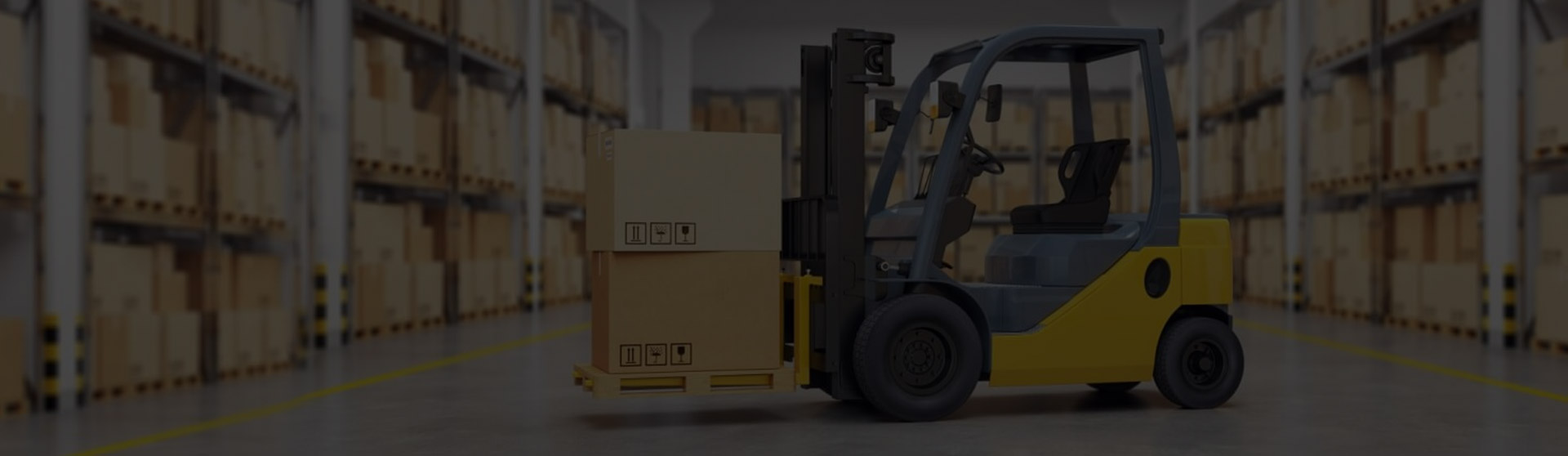

Forklifts are indispensable equipment in the warehousing and logistics industries, used to move heavy objects, improve work efficiency, and ensure the safety of transportation. Among the various components of a forklift, the steel rim, as a crucial part of the forklift tire, plays a vital role. The steel rim not only determines the forklift's load capacity but is also closely related to its stability and operational safety. So, how exactly does the forklift steel rim affect the forklift's stability? This article will explore this question in detail and analyze the importance of forklift steel rims.
1. Basic Functions of Forklift Steel Rim
The forklift steel rim is part of the tire, serving to support and secure the tire, ensuring that the tire can withstand the weight and load of the forklift during use. Typically, forklift steel rims are made of high-strength steel, possessing sufficient strength and durability to maintain stability over extended use. The steel rim is tightly integrated with the tire, working together to provide the necessary support and traction for the forklift.
During forklift operation, the performance of the steel rim directly affects the forklift's load capacity, tire durability, and forklift stability. Because forklifts typically operate in complex environments, enduring immense pressure and friction, the design and quality of their rims are crucial.
2. The Impact of Forklift Rims on Stability
The stability of a forklift determines its ability to maintain smooth operation and prevent rollovers and other accidents. Forklift rims directly affect forklift stability in several ways:
(1) Load Balancing and Bearing Capacity
One of the main functions of forklift rims is to bear the weight of the forklift and distribute it evenly across the tires. High-quality, high-strength rims can effectively withstand the forklift's load, ensuring stability when handling heavy loads. Poor-quality rims or insufficient bearing capacity can lead to instability when carrying heavy loads, increasing the risk of rollovers.
The rim design must match the forklift's total weight and expected load. Especially in high-load operating environments, rims with poor strength and durability may cause structural deformation, affecting forklift stability.

(2) Tire-Rim Fit
Forklift rims not only bear the weight of the forklift but also fit closely with the tires to maintain a stable contact surface. A good fit between the tire and the rim ensures stable distribution of pressure and friction during forklift operation. If the rim size is unsuitable or improperly installed, uneven tire wear may occur, affecting forklift stability. For example, an overly loose rim can cause tire misalignment and deformation, increasing the risk of tilting and rollover.
(3) Impact Resistance
Forklifts often need to traverse uneven ground or inclined ramps during operation, especially under high loads, where stability is paramount. The impact resistance of the steel rim directly determines the forklift's performance in these environments. If the steel rim is poorly designed or the material strength is insufficient, it may not effectively absorb impact forces from the ground or operation, affecting the forklift's stability and increasing the probability of accidents.
High-strength steel rims can better disperse and absorb impact forces, ensuring stable operation of the forklift on uneven ground, thereby reducing bumps and tilting.
(4) Wheel and Axle Symmetry
Forklift steel rims are also closely related to wheel and axle symmetry. Wheel and axle symmetry ensures that each wheel can bear the load evenly. If the steel rim and axle are mismatched, the tires may deviate from the forklift's central axis, affecting the vehicle's balance and stability.
For example, if the front and rear steel rims are of inconsistent sizes, the forklift's load-bearing capacity will be affected, causing deviation during operation and increasing the risk of tipping over. Properly matching the symmetry of the rims and axles contributes to the stability of the forklift and improves operational safety.
3. How to Choose the Right Forklift Rims?
Choosing the right rims is crucial to ensuring the stability and safety of the forklift. Here are some factors to consider when selecting forklift rims:
(1) Load Capacity: The load capacity of the rim should match the forklift's design load capacity. A rim that is too small may not be able to withstand the weight and load of the forklift, leading to tire deformation or damage. The correct rim ensures the stability of the forklift during operation and reduces the chance of accidents.
(2) Material Quality: The rim material should have high strength and toughness. Common materials include high-strength steel and alloy steel. High-quality materials improve the durability and impact resistance of the rim, maintaining stable performance in harsh working environments.
(3) Size and Compatibility: Choosing the right size rim ensures a perfect fit with the forklift tires, ensuring tire stability and even wear. A rim that is too small or too large will result in uneven load distribution, affecting the stability and operational performance of the forklift.
(4) Environmental Adaptability Different working environments may have different requirements for forklift rims. For example, when working in high-temperature or slippery outdoor environments, the rims need to have stronger corrosion resistance and wear resistance. Choosing rims suitable for the working environment can extend the service life of the forklift and ensure its stable operation.
Forklift rims play a crucial role in ensuring forklift stability. They not only bear the weight and load of the forklift but also work closely with the tires to maintain the forklift's balance and stability. By selecting suitable rims and improving their quality and impact resistance, the operational safety of the forklift can be greatly improved, avoiding accidents caused by equipment failure.
