
 English
 عربى

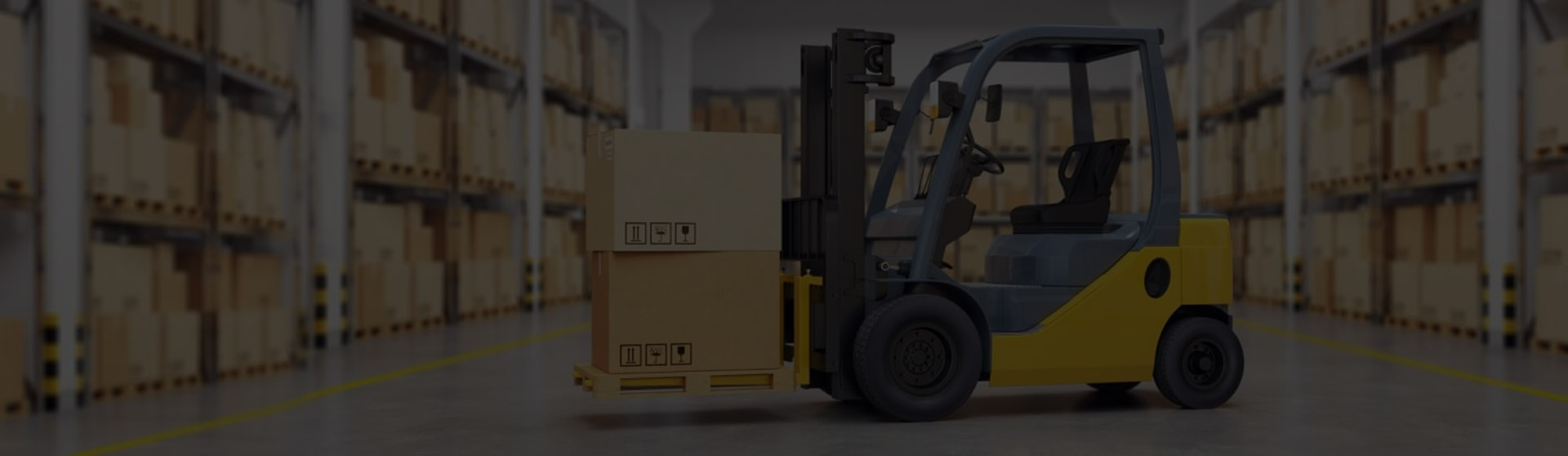

Picture this: a 3-ton counterbalance forklift is parked beside a delivery truck loaded with 20-foot steel profiles. The forks are 48 inches long, but the load is not. The quickest answer is to slide on a pair of fork extensions and get back to work. The safer answer starts with a load calculation, a capacity check, and a close look at how the attachment changes the whole truck. Fork truck fork extensions are a practical tool for long loads, but they reduce the rated capacity of the forklift and require the same discipline as any other attachment.
In our parts factory, we see the aftermath of attachments that were installed without checks. That is why this guide covers the types, capacity loss, selection rules, and inspection routine you need before using fork extensions on a loaded truck.
Content
What Exactly Is a Fork Extension?
A fork extension is a steel sleeve that slides over an existing fork blade and lengthens the surface on which a load rests. It is not a replacement fork and it does not add lifting capacity by itself. The original fork blade carries the extension, and the extension transfers the load back to the fork heel and carriage.
Most extensions are secured with pins, bolts, or clamps and are supplied in pairs. They must match the width, thickness, and taper of the existing fork blades. An extension that wobbles or sits unevenly on the blade is an immediate safety problem.
| Extension length | Typical load shape | Load center effect |
|---|---|---|
| 48 in / 1,200 mm | Pallets, crates, drums | Moderate forward shift |
| 60 in / 1,500 mm | Pipes, long boxes, boards | Noticeable derating |
| 72 in / 1,800 mm | Lumber, steel sections | Significant derating |
| 96–144 in / 2,400–3,600 mm | Long sheets, channels | Check residual capacity chart |
Why Fork Extensions Reduce Rated Capacity
A forklift’s capacity rating is tied to a load center distance—the distance from the vertical face of the forks to the center of gravity of the load. When you extend the fork length, the load center usually moves forward. That increases the moment acting on the mast and front axle.
Here is the simple arithmetic: if a 5,000 lb truck at a 24 in load center gets an extension that moves the effective load center to 30 in, the maximum safe load drops to about 5,000 x 24 / 30 = 4,000 lb before including the weight of the extension itself. That is a 20 percent reduction caused by the geometry alone.
| Truck rating | Original load center | Extended load center | Effective capacity |
|---|---|---|---|
| 5,000 lb | 24 in | 30 in | 4,000 lb |
| 4,000 lb | 24 in | 36 in | 2,667 lb |
| 2,500 kg | 500 mm | 600 mm | 2,083 kg |
Use this calculation only as an estimate. The manufacturer’s forklift residual capacity chart accounts for mast height, tire size, carriage rating, and attachment weight. Never rely on the nominal capacity printed on the side of the truck.
Types of Fork Extensions
Not all fork extensions are the same length or shape. The main difference is how much flexibility they offer on the loading dock.
Standard sleeve extensions
A fixed-length steel sleeve slides over the blade and locks in place. It is the simplest construction, with fewer moving parts and less weight. Choose this type when the load length stays consistent.
Telescopic extensions
These allow the operator to adjust the extension length for different loads. They are heavier and introduce additional locking points. The extra moving parts demand more frequent inspections, but they add useful versatility for mixed cargo.
Coil ram and profile-specific attachments
Some specialist extensions are shaped for cylindrical coils, drums, or bundled material. A coil ram extension supports the inner diameter of a coil and prevents the load from sliding sideways. Confirm the attachment was designed for the specific material before using it.
Poly-faced protectors
Some suppliers offer polymer-faced sleeves or bolt-on protectors for finished surfaces. These reduce scratching on polished goods, but they are not load-bearing enhancements. A poly face does not increase capacity.
When Fork Extensions Make Sense
Fork extensions are useful when the load is long, bulky, or irregular enough to overhang the original blade. Use them in these situations:
- Long material: pipes, lumber, steel profiles, and roof trusses.
- Oversized crates: machinery cases and large pallet boxes that extend past the forks.
- Trailer loading: loads that must reach deeper into a trailer while keeping the forklift clear.
- Coiled material: steel or paper coils transported with a coil ram-style sleeve.
Avoid extensions when the load is at or near the truck’s rated capacity, when the extension length forces the load center too far forward, or when the operator is not trained to understand the new limits. Fork extensions are for extending the load surface, not for increasing the machine’s capacity.
Installation and Safety Checks Before the First Lift
The installation procedure varies by manufacturer, but the same checks apply to every fork extension:
- Match the extension pocket to the fork blade width and thickness. The extension must slide fully over the taper of the blade and sit flush against the heel.
- Check the mast, carriage, and fork rating. The attachment data plate must match the truck’s residual capacity for the intended load center.
- Install the retaining pins or bolts and torque them to the manufacturer’s specification. Never weld extensions to the forks or modify the blade to make them fit.
- Test the installation without a load: lift slowly, tilt back, and verify the extension does not move or rattle.
- Post the reduced capacity information near the operator’s station so every shift sees the new limit.
Long loads also increase the load transfer to the front axle and the stopping distance. If the truck’s braking system shows any sign of uneven performance, repair it before the extension goes on the forks.
 Hangzhou Forklift 3-Ton Brake for Reliable StoppingFor load-handling setups that raise braking demand, this 3-ton Hangzhou forklift brake uses high-performance friction materials and durable metal construction for consistent stopping power under heavy loads.View Product →
How to Select a Good Fork Extension
Buying the cheapest extension is usually the most expensive decision. Work through this checklist before you order:
- Material: look for high-strength steel, full-profile welding, and a surface treatment that resists rust.
- Blade profile: the pocket must match your fork blade width and thickness, not just the nominal length.
- Length: use the shortest extension that covers the load. A longer extension adds weight and moves the load center further forward.
- Weight: add the extension’s mass to the load calculation. A heavy telescopic unit can absorb a large share of the payload.
- Documentation: a reputable supplier provides a data plate, load test result, and installation instructions. If those documents are missing, treat the product as unsuitable.
Daily Inspection and Long-Term Maintenance
Fork extensions get heavy use and are often the last thing checked at the end of a shift. Make these checks routine:
- Before each shift: check that the extension stays locked on the blade, the retaining pins are present, and there are no new bends or cracks.
- Weekly: inspect the weld seams, the contact area between extension and blade, and the condition of wear pads. Re-torque bolts if specified.
- After an overload or impact: take the extension off and inspect both the extension and the original fork blade. A small crack can grow into a sudden failure.
- Tires and rims: long loads increase lateral stress on the wheels. A bent rim or worn tread changes the truck’s stability and should be fixed before the next lift.
Brake components also deserve attention. If the extension work is heavy enough to require a changed load center, it is heavy enough to put the braking system under higher demand.
 Hangzhou 30HB One-Piece Steel Wheel Rim 28x9-15For 30HB-series Hangzhou forklifts, this one-piece 28x9-15 steel rim reduces vibration and improves tire retention, supporting smoother handling and even wear during demanding load-handling work.View Product →
The Bottom Line
Fork truck fork extensions solve a real problem: moving loads that are longer than the standard fork blade. They must never be treated as a way to lift more weight. The capacity loss is predictable, the inspection demand is real, and the operator must know the new limits before the load leaves the ground.
If you need help matching replacement brakes, rims, or other forklift components to your truck, send your forklift model and attachment dimensions to our team through the contact page. We work with forklift parts every day and can help you identify the right specification for your maintenance schedule.
