
 English
 عربى

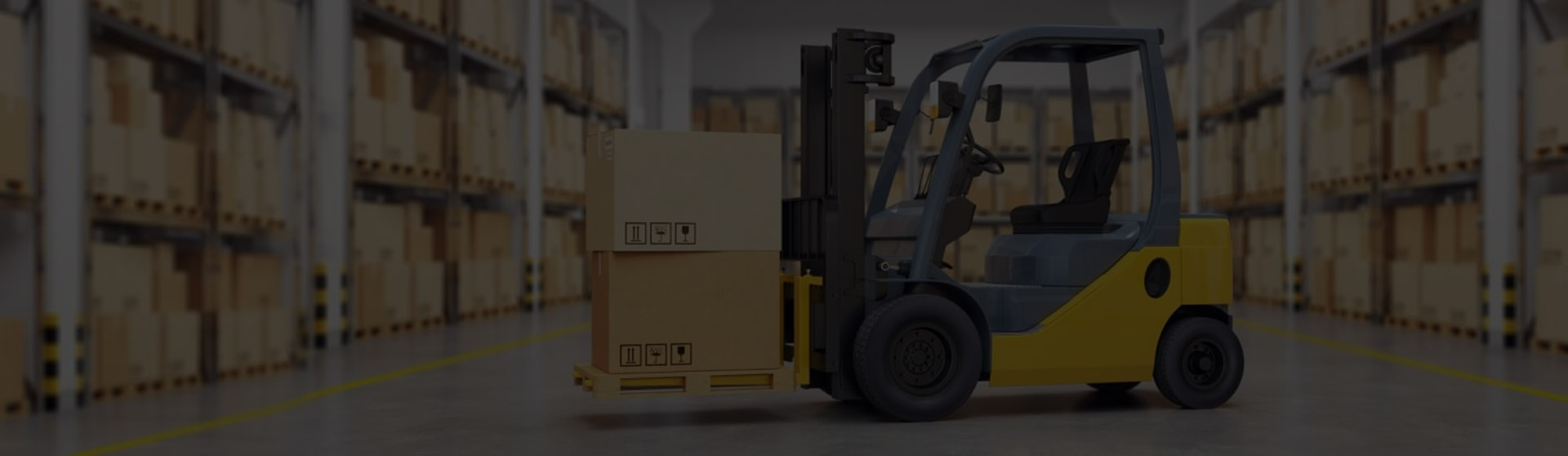

A Class 7 forklift is a rough terrain truck, not a warehouse forklift with bigger tires. OSHA defines the class in 29 CFR 1910.178 as the powered industrial truck built for outdoor work on unimproved ground, with a vertical mast and forks. If the surface under your wheels is gravel, mud, sand, or a loaded ramp, this is the class your next purchase should be priced against.
The short version: if a Class 4 or Class 5 truck needs a paved pad to stay productive, the job belongs to Class 7. That single test shapes the drivetrain, the tires, the mast, the brake duty cycle, and the parts budget you will carry for the next decade. What follows explains how the class is defined, where these trucks actually earn their keep, and which components consume the maintenance spend.
Content
- 1 What OSHA Class VII Actually Covers
- 2 Class 7 vs Class 4 and Class 5: Where the Line Sits
- 3 Where Class 7 Trucks Earn Their Keep
- 4 The Specifications That Decide a Class 7 Purchase
- 5 Where the Money Actually Goes: Brakes, Wheels and Wear Parts
- 6 A Sourcing Checklist for Class 7 Wear Parts
- 7 Buying Considerations That Rarely Show Up on the Quote
What OSHA Class VII Actually Covers
OSHA separates powered industrial trucks into seven classes, and Class VII is defined by application rather than by brand, engine, or capacity. The official wording covers rough terrain forklift trucks designed primarily for outdoor operation on unimproved surfaces. In a working yard, that description resolves into a recognizable set of features.
- Large-diameter pneumatic tires with a deep traction tread; foam filling is common where rebar and nails are present.
- Two- or four-wheel drive, and on serious machines a differential lock together with an oscillating rear axle.
- Higher ground clearance and a wider, heavier chassis than a yard truck of the same nominal capacity.
- A vertical mast carrying forks. A boom machine is a telehandler, but when forks are fitted to that boom it is usually managed inside the same fleet and safety program.
- Diesel, LPG, or heavy-duty gasoline power, with electric versions limited to lighter and shorter cycles.
The safety backbone of the class is ANSI/ITSDF B56.6, the Safety Standard for Rough Terrain Forklift Trucks, which sits apart from B56.1 for low-lift and high-lift trucks. Stability, braking performance, and operator training on a rough terrain fleet should be referenced to B56.6, not to a warehouse operator manual.
Class 7 vs Class 4 and Class 5: Where the Line Sits
Most mis-specified purchases in this category are not capacity errors. They are surface and cycle errors. A 5,000 lb Class 5 yard truck and a 5,000 lb Class 7 truck are not interchangeable, and the gap becomes obvious in the first wet week.
| Attribute | Class 4 (cushion) | Class 5 (pneumatic) | Class 7 (rough terrain) |
|---|---|---|---|
| Primary surface | Indoor concrete | Paved or compacted yards | Unimproved ground, slopes, mud, sand |
| Tires | Cushion or press-on solid | Standard pneumatic | Large pneumatic, traction tread, often foam-filled |
| Drive | Two-wheel drive | Two-wheel drive | Two- or four-wheel drive, differential lock common |
| Typical capacity | 3,000-15,000 lb | 4,000-15,000 lb | 5,000-12,000 lb, heavier units to about 10 t |
| Brake duty cycle | Low | Moderate | High, with loaded travel on grades |
| Ground clearance | Low | Moderate | High, including clearance under the mast |
Read that table as a filter rather than a specification sheet. A truck rated for a 15 percent grade on paper still needs its brake system and tire compound to match the real duty cycle, and that is exactly where buyers who shop on the headline number lose their savings within two seasons.
Where Class 7 Trucks Earn Their Keep
Rough terrain trucks are bought for ground conditions first and load second. The duty cycles below are the ones where the class is standard equipment rather than a premium option.
- Construction sites: ungraded pads, spoil piles, and temporary access roads that turn to slurry after rain.
- Masonry, concrete, and precast yards: pallets of block and bundled rebar on compacted but unfinished ground.
- Lumber and building material depots: long outdoor storage rows with soft shoulders between them.
- Agriculture and livestock: feed, fertilizer, and bale handling on soil that is never truly firm.
- Quarries, aggregate, and pipe storage: constant slope work with dense loads and airborne dust.
- Rental fleets: mixed operators, unknown surfaces, and a maintenance plan built around surviving abuse.
One thread runs through all six: the truck rarely works on a prepared surface, so nearly every stopping cycle is a heavy braking cycle, and every turning cycle loads the wheel assemblies harder than warehouse duty ever would.
The Specifications That Decide a Class 7 Purchase
Load capacity and load center
Rated capacity means little without a load center. A 5,000 lb rating at a 24-inch load center falls away sharply once a 36- or 48-inch center is used, and rough terrain loads are often long, wet, and unbalanced. Ask for the derating curve, not just the headline figure.
Mast and lift height
Two-stage masts dominate this class because clearance beneath the mast matters more than free lift. Check the collapsed height against the lowest door or trailer opening on your route, and confirm the mast is rated for any attachment you plan to fit.
Tires and wheels
Traction tread pneumatic tires are the default choice. Foam filling removes flat risk but adds unsprung weight and heat, while solid and split rims trade ride quality for durability. Rim specification matters as much as the tire: split, one-piece, and dual-wheel solid rims in sizes such as 7.00-12 and 8.25-15 each change how the machine loads its wheel ends.
Drivetrain and gradeability
Four-wheel drive with a differential lock is often the difference between climbing a ramp loaded and sliding back down it. Match the gradeability figure to the worst ramp on site, then keep margin for rain, mud, and half-worn tires.
Where the Money Actually Goes: Brakes, Wheels and Wear Parts
On a Class 7 truck, the powertrain usually outlives the stopping system. Loaded travel on grades, abrasive dust, and frequent direction changes push the brake assemblies, shoes, cylinders, and rims onto a shorter replacement cycle than the same components see on a warehouse truck. That is the workshop reality behind the forklift brake assemblies and wheel end parts we keep in stock for 1-10 ton machines.
Brake assemblies and shoes
Drum brake assemblies on these machines are sized for the grade, and they come in single-pump and double-pump versions that are not interchangeable. Double-pump units handle the heavier 8-10 ton trucks and machines working continuous slopes. Shoe width matters too: a widened shoe for a 4.5 or 5 ton truck is a different part from the standard item on a 3 ton truck, even when the mounting plate looks similar.
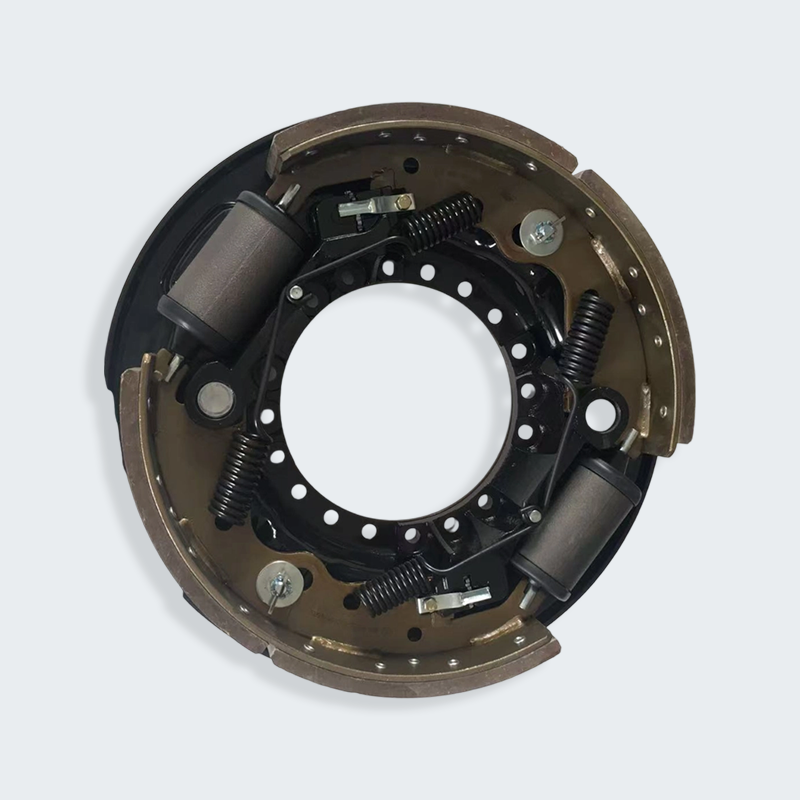 Heli forklift 8-10 ton left (double pumps) brake assemblyThis assembly is specially developed for the left-side braking needs of 8-10 ton heavy-duty forklifts. The dual hydraulic pump structure improves system reliability th...View Product →
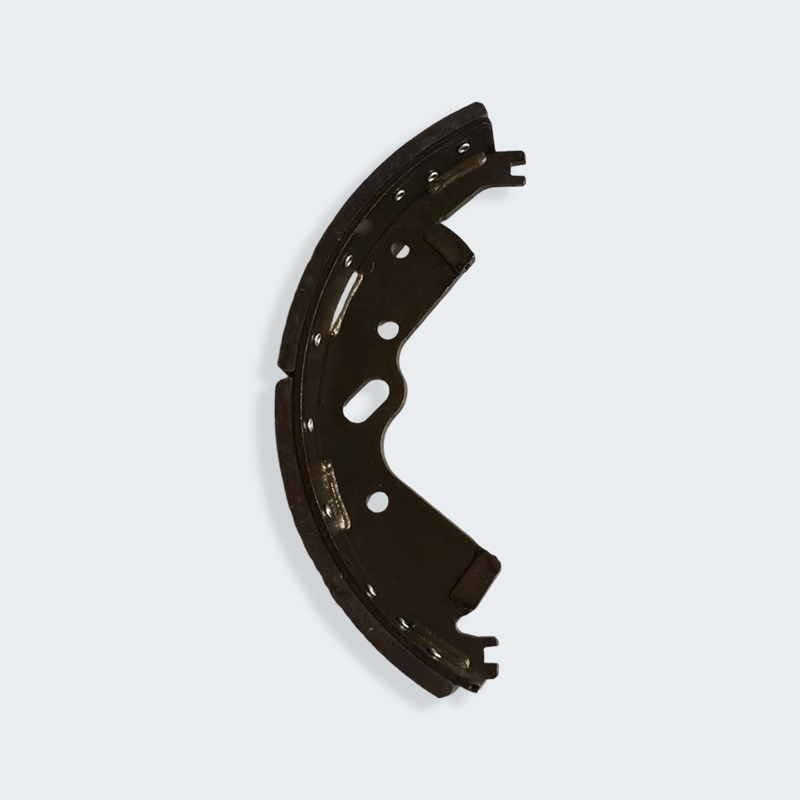 Hangcha/Heli forklift 8-10 ton (Double Pumps) brake shoeThe 8-10 ton (Dual Pump) Brake Shoe for Forklifts, jointly developed by Hangcha and Heli, demonstrates outstanding performance in the field of heavy-duty braking. The ...View Product →
Left and right assemblies are mirror parts on most brands, and handbrake drum assemblies cover the 6-10 ton trucks that use a separate parking brake. Ordering the wrong side is one of the most frequent delays we see on a repair job.
Brake cylinders and repair kits
Cylinders sit at the hydraulic end of the same story: dust ingress scores bores, and a leaking cylinder usually announces itself as a soft pedal long before it becomes a stopped machine. Repair kits exist for the 1.5, 3, and 4.5 ton families and are often the right answer when the cylinder body is still within tolerance.
Steel rims and wheel assemblies
Rough terrain service punishes rims. Side-loading against kerbs and uneven pads opens cracks at the disc-to-rim weld, and a wheel that has been run with loose nuts will not hold torque again. Dual-wheel solid rims in 8.25x15 are typical on heavier trucks, while split rims in 5.00-8, 6.00-9, and 6.50-10 cover the smaller machines.
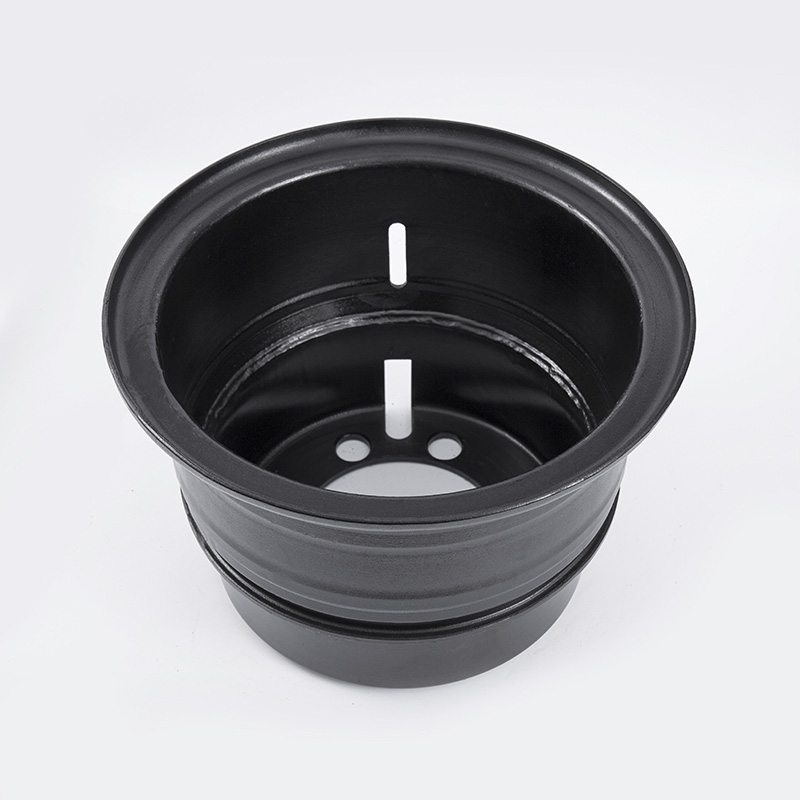 Hangzhou forklift 45R dual wheel solid steel rim 825-15The Hangzhou forklift 45R Dual Wheel Solid Steel Rim 825-15 is a robust solution for industrial vehicles requiring exceptional durability and load capacity. This solid...View Product →
A Sourcing Checklist for Class 7 Wear Parts
Because these parts are fitment-specific, a rough terrain order should be built from the truck rather than from a generic catalogue number. Before requesting a quotation, confirm the following, and check the wear pattern behind any part you are replacing in our guide to forklift brake failure causes and troubleshooting methods.
- Brand and model family, because each manufacturer indexes brake and wheel parts differently.
- Tonnage class: 1.5, 2, 3, 4.5, 5, 5.5, 6, 8, or 10 ton. Trucks built either side of a model change can use different assemblies.
- Side: left or right. Brake assemblies are mirror parts and are not reversible.
- Brake type: single pump, double pump, handbrake drum, or widened shoe for heavy axles.
- Cylinder type: brake-actuated or hydraulic-actuated, together with bore and stroke.
- Rim specification: split, one-piece, solid, or dual-wheel, quoted by rim size in inches.
- Kit versus component: a repair kit may cover springs, pistons, and seals at lower cost than buying each item separately.
Buying Considerations That Rarely Show Up on the Quote
- Tire and rim cost over five years can exceed the initial price gap between a yard truck and a rough terrain unit, because the tires are larger, softer, and consumed faster on abrasive ground.
- Brake duty behaves like a consumable. Budget shoes, drums, and cylinders as an annual line item rather than as an emergency repair.
- Attachments derate capacity, and the load chart has to be updated whenever a side-shift or a clamp is fitted.
- Parts lead time can idle a machine for weeks. Standardising a fleet on two or three common tonnage families keeps spares on the shelf.
- Operator training under B56.6 is part of the purchase, not an optional extra, especially on slopes.
- Resale value holds up when maintenance records show wheel-end and brake work done on schedule.
Class 7 is a definition of where a truck works, not of how much it can lift. Get the surface, the grade, and the duty cycle right, and the specification falls into place: four-wheel drive, traction tires, a heavy-duty mast, and a brake and wheel-end package sized for loaded travel on slopes.
For fleets running 1-10 ton trucks on unimproved ground, the practical question is rarely which class to buy. It is which wear parts to keep on the shelf. Match the assembly, shoe, cylinder, and rim to the truck by brand, tonnage, side, and pump type, and downtime stops being a surprise.
