
 English
 عربى
عربى
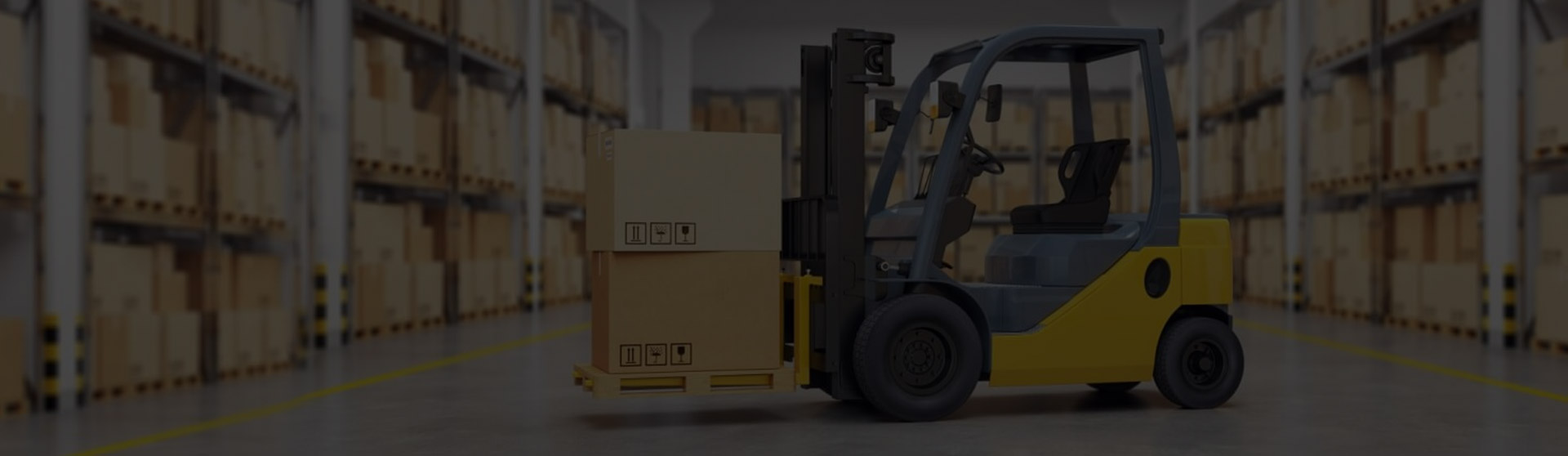

You should replace forklift wheel rims when you observe visible cracks, weld separation, severe corrosion, bead seat damage, or dimensional deformation that exceeds manufacturer tolerance. For most warehouse and logistics operations, a forklift steel rim in continuous heavy-duty service has a functional lifespan of 3–7 years, but this window narrows significantly in corrosive environments, on uneven surfaces, or when tires are repeatedly changed without professional equipment. Proactive rim inspection — not reactive replacement — is the standard that separates high-uptime fleets from those plagued by unplanned downtime.
This guide covers the specific damage indicators that signal immediate replacement, the science behind rim failure modes, how to use a forklift rim size chart and standards reference for compatible sourcing, and what distinguishes a quality Heli forklift steel rim or Lonking forklift steel rim from an undersized substitute. Whether you are a fleet maintenance manager, a procurement officer, or a workshop technician, this resource gives you the technical foundation to make confident rim replacement decisions.
Content
- 1 Six Clear Signs That a Forklift Rim Needs Immediate Replacement
- 2 Rim Failure Frequency by Operating Environment
- 3 Steel Rim vs Alloy Rim: Which Is Right for Your Forklift?
- 4 Forklift Rim Size Chart and Standards: Getting Compatibility Right
- 5 Forklift Rim Manufacturing Process: What Determines Quality
- 6 Rim Service Life Trend: Impact of Preventive Maintenance
- 7 Heli and Lonking Forklift Steel Rim Compatibility: Key Specification Notes
- 8 About Hangzhou Shuaijia (Yifa) Forklift Parts Co., Ltd. and Zhuji Prebo Brake System Technology Co., Ltd.
- 9 Frequently Asked Questions About Forklift Wheel Rims
Six Clear Signs That a Forklift Rim Needs Immediate Replacement
Unlike tires, which provide visible wear indicators, rim damage is often subtle until it causes a sudden failure. The following six conditions each individually justify taking the forklift out of service for rim replacement — no single condition should be monitored and "managed" in active operation.
1. Visible Cracks in the Rim Body or Flange
Any crack — regardless of length — in the rim disc, flange, or bead seat area is cause for immediate replacement. Cracks propagate rapidly under cyclic loading. A 5mm surface crack discovered during inspection can extend to full flange separation within 20–40 operating hours under normal load conditions. On a forklift carrying 2–5 tons, a sudden rim fracture can cause loss of vehicle control and present a serious safety hazard to nearby personnel.
2. Bead Seat Corrosion or Pitting
The bead seat — the tapered surface against which the tire bead seals — must be smooth and dimensionally accurate. Corrosion pitting deeper than 1.5mm compromises the pneumatic seal on air-filled tires and causes premature bead wear on press-on solid tires. Cold storage, chemical plant, and food processing forklifts are particularly susceptible to bead seat corrosion due to moisture, cleaning agents, and temperature cycling.
3. Out-of-Round Deformation
A rim that has been struck by a loading dock, driven over a severe obstacle, or overloaded may develop an oval or flattened cross-section. Runout exceeding 3mm radially or 2mm laterally (measured at the bead seat diameter) causes vibration, uneven tire wear, and bearing stress that cascades into drivetrain damage. Many fleet operators discover out-of-round rims only after investigating unexplained tire failures or hub bearing replacement frequency.
4. Weld Seam Separation or Porosity
Multi-piece forklift rims — common on larger 3–10T capacity machines — rely on continuous weld integrity at the disc-to-rim junction. Weld porosity, undercut, or partial separation reduces the structural cross-section and dramatically lowers fatigue life. Unlike cracks in the parent metal, weld defects often occur below the surface and may only be detectable by magnetic particle inspection (MPI) or dye penetrant testing, which is why periodic NDT is recommended for high-cycle rims.
5. Elongated or Damaged Bolt Holes
Bolt hole elongation results from repeated over- or under-torquing, incorrect bolt patterns, or running with loose wheel nuts. An elongated bolt hole shifts load distribution from the clamping friction surface to the bolt shank, accelerating bolt fatigue. A rim with any bolt hole elongation exceeding the original diameter by more than 0.5mm should be replaced — remedial boring or welding of wheel bolt holes is not an acceptable repair practice on load-bearing forklift components.
6. Flange Lip Wear Beyond Dimensional Tolerance
The rim flange retains the tire bead laterally. Sustained contact between tire sidewall and flange during cornering gradually wears the flange lip. When flange lip thickness falls below the manufacturer's minimum — typically 70% of original specified thickness — the rim should be retired. This is particularly common on counterbalance forklifts operating in tight turning environments such as racking aisles.
Rim Failure Frequency by Operating Environment
The environment in which a forklift operates is the single largest determinant of rim service life. The chart below shows the average annual rim replacement rate (as a percentage of total fleet rims) across six common forklift operating environments, based on industry maintenance data.
The data reveals a striking 8-fold difference in rim replacement rates between the most benign environment (indoor climate-controlled warehouse at 3% annually) and the most aggressive (recycling and scrap yards at 24% annually). Chemical plants rank third at 18%, driven by acid and alkali corrosion that attacks bare steel surfaces rapidly. This data has direct implications for forklift maintenance and replacement guide planning: fleets operating in outdoor, chemical, or construction environments should budget for rim replacement intervals of 1–3 years rather than the 5–7 year cycle appropriate for indoor operations. Specifying hot-dip galvanized or epoxy-coated rims for corrosive environments can extend service life by 40–60% compared to standard paint finishes.
Steel Rim vs Alloy Rim: Which Is Right for Your Forklift?
The steel rim vs alloy rim comparison for forklifts is less nuanced than in automotive applications. In the overwhelming majority of industrial forklift applications, steel rims are the correct choice. The comparison below outlines why.
The radar chart makes the trade-off clear: steel rims dominate on impact resistance, load capacity, repairability, and weld compatibility — the four dimensions that matter most in industrial forklift service. Alloy rims offer advantages in corrosion resistance and weight reduction, but these benefits rarely justify the higher acquisition cost, lower repairability, and significantly greater susceptibility to cracking under impact loading in rough industrial environments. For standard 1–10T internal combustion and electric forklifts, steel rims remain the preferred choice in all major markets. The weight saving from an alloy rim on a 3-ton counterbalance forklift is negligible relative to the machine's total operating weight and has no meaningful effect on fuel consumption or battery range.
| Parameter | Steel Rim | Alloy Rim | Verdict |
|---|---|---|---|
| Impact resistance | High — deforms plastically | Low — brittle fracture risk | Steel |
| Load capacity | 3–15T rated | Limited heavy-load options | Steel |
| Repairability | Weldable, resurfaceable | Typically non-repairable | Steel |
| Corrosion resistance | Moderate (paint/coating dependent) | High (anodized alloy) | Alloy |
| Weight | Heavier | 30–40% lighter | Alloy |
| Overall industrial suitability | Excellent for all IC/electric forklifts | Niche specialty use only | Steel |
Forklift Rim Size Chart and Standards: Getting Compatibility Right
One of the most common and costly mistakes in forklift rim procurement is selecting a rim based on approximate visual fit or partial specification matching. Correct rim selection requires matching five interdependent dimensions — all of which must align simultaneously for safe and legal fitment.
| Forklift Capacity | Rim Size (inch) | Rim Width (inch) | PCD (mm) | Bolt Pattern |
|---|---|---|---|---|
| 1–1.5T | 15×5.00 | 5.00 | 114.3 | 5×114.3 |
| 2–2.5T | 15×6.00 | 6.00 | 127.0 | 5×127.0 |
| 3–3.5T | 16×6.00 | 6.00 | 152.4 | 6×152.4 |
| 4–5T | 20×7.00 | 7.00 | 203.2 | 8×203.2 |
| 6–7T | 20×8.50 | 8.50 | 220.0 | 8×220.0 |
| 8–10T | 24×9.00 | 9.00 | 275.0 | 10×275.0 |
When using this forklift rim size chart and standards reference for procurement, always cross-check against the original equipment manufacturer's specification plate on the axle hub. Rim diameter, width, bolt hole count, PCD, and center bore offset must all match — substituting a rim that differs in any single dimension can cause wheel loosening, tire bead failure, or hub bearing overload. For Heli forklift steel rim and Lonking forklift steel rim specifications specifically, the most reliable reference is the vehicle's wheel assembly drawing from the service manual, as some model variants within the same capacity class use different bolt patterns across production years.
Forklift Rim Manufacturing Process: What Determines Quality
Understanding the forklift rim manufacturing process helps procurement teams distinguish between OEM-quality rims and lower-cost alternatives that may appear dimensionally identical but fail in service. The manufacturing process directly determines the rim's fatigue life, dimensional stability, and surface integrity.
A quality forklift steel rim production process follows these steps:
- Hot rolling of steel strip — high-quality rims use hot-rolled low-alloy steel strip (typically Q345B or equivalent) with controlled carbon and manganese content for optimum strength-to-toughness balance
- Roll forming — the strip is progressively formed into the rim profile through a series of rolls; this work-hardening step increases the rim's yield strength by 15–25% above the base material
- Flash butt welding — rim ends are joined by high-frequency flash butt welding, which produces a weld stronger than the parent material with minimal heat-affected zone
- Disc pressing and punching — the wheel disc is stamped from steel plate, bolt holes punched to precise tolerance (typically H7 fit class), and center bore machined
- MIG welding of disc to rim — disc and rim are joined by continuous MIG weld with 100% visual and periodic ultrasonic inspection
- Shot blasting and coating — finished assemblies are shot blasted to Sa2.5 cleanliness and coated with epoxy primer or electrophoretic paint to a minimum 60µm DFT
- Final dimension inspection — runout, bolt hole position, bead seat taper, and overall diameter checked against drawing tolerance
Low-cost rims often cut corners at the steel strip specification, weld inspection, and coating stages. A rim produced from unspecified steel scrap, with partial-penetration welds and paint-only coating, may pass dimensional checks but fail in fatigue within 12–18 months of heavy-duty service.
Rim Service Life Trend: Impact of Preventive Maintenance
Implementing a structured rim inspection and preventive maintenance protocol significantly extends service life and reduces unexpected failure rates. The line chart below shows the average rim lifespan trend over a five-year fleet management period, comparing fleets with and without formal preventive maintenance programs.
The trend lines tell a compelling operational story. Fleets implementing structured preventive maintenance programs — including quarterly rim inspections, torque verification, and early corrosion treatment — achieve average rim lifespans approaching 6.8 years by Year 5, compared to just 1.4 years average in fleets that replace rims only on failure. The compounding effect is significant: a 500-unit fleet with a formal PM program will replace rims roughly 4–5 times less frequently over a decade than an equivalent reactive-maintenance operation. This directly translates into lower total maintenance costs, fewer unplanned downtime incidents, and reduced tire collateral damage from rim failures. As part of a comprehensive forklift maintenance and replacement guide, these results strongly support building rim inspection into scheduled service intervals at 250-hour or 3-month cadences.
Heli and Lonking Forklift Steel Rim Compatibility: Key Specification Notes
For fleet operators and parts distributors working with Heli or Lonking forklifts, rim compatibility requires careful attention to model-year-specific specifications. Both brands cover a wide capacity range (1T–10T and beyond), and rim specifications are not uniform across this range or across production generations of the same model.
Key points from the Heli forklift rim specifications and Lonking forklift rim compatibility guide that procurement teams frequently overlook:
- Drive axle vs steer axle rims differ in offset and sometimes bolt pattern on the same vehicle — a drive axle rim cannot be substituted for a steer axle rim even if the outer dimensions appear identical
- Pneumatic vs solid tire rims have different bead seat profiles — pneumatic rims use a 5-degree tapered bead seat while solid press-on tire rims use a cylindrical bead seat with different width tolerances
- Multi-piece rim assemblies on larger-capacity Heli and Lonking models require that all ring components (rim base, lock ring, side ring) come from the same matched set — mixing components from different manufacturers introduces dimensional incompatibility that creates dangerous bead seating conditions
- Center bore diameter must match the hub pilot diameter precisely — even a 1mm oversize center bore shifts load from the hub pilot (which it should carry) to the wheel bolts, accelerating bolt fatigue
When sourcing a Heli forklift steel rim supplier, request that the supplier provide the specific forklift model number, serial number range, and production year before confirming fitment — responsible suppliers will require this information rather than accepting a rim size alone as sufficient specification.
About Hangzhou Shuaijia (Yifa) Forklift Parts Co., Ltd. and Zhuji Prebo Brake System Technology Co., Ltd.
Hangzhou Shuaijia (Yifa) Forklift Parts Co., Ltd., founded in 1998 and headquartered in Hangzhou, Zhejiang Province, is a professional enterprise engaged in the wholesale of forklift parts. With more than 10,000 square meters of factory buildings and an inventory of over 20 million pieces of parts, the company specializes in wholesale supply of 1–10T internal combustion forklift parts for Hzforklift, Heli, and Lonking brands, as well as battery car accessories.
Zhuji Prebo Brake System Technology Co., Ltd., established in 2009, is a professional OEM and ODM manufacturer of Heli Lonking Forklift Steel Rims. The company has independently developed and produced a comprehensive range of forklift components including brakes, brake shoes, flexible shafts, hoses, high-pressure hoses, copper pipes, piston rods, springs, screws, wire harnesses, and over 10,000 varieties of accessories. The company integrates production, supply, and marketing, and has established a forklift parts branch in Shenyang for direct sales.
After more than 20 years of dedicated operation, both companies have built a strong reputation in the forklift parts market through high-quality products and comprehensive pre-sales and after-sales service. With an internationally oriented business philosophy and a customer-first service approach, they are committed to providing domestic and international users with quality forklift components and responsive technical support.
Frequently Asked Questions About Forklift Wheel Rims
Q1: What is a forklift steel rim?
A forklift steel rim is the metal wheel component that mounts to the hub axle and retains the tire. It is manufactured from hot-rolled steel, formed and welded to precise dimensional tolerances, and designed to carry the full rated load of the vehicle plus dynamic impact loads. Steel rims are the standard on virtually all 1–10T industrial counterbalance and reach forklifts worldwide.
Q2: What does a forklift wheel rim do?
The rim serves three primary functions: it provides the structural interface between the tire and the hub axle; it maintains the tire's bead seated under load and pressure; and it transfers braking and driving torque from the axle to the tire-ground contact patch. Rim integrity is therefore directly linked to both load capacity and operational safety.
Q3: Are forklift rims universal?
No. Forklift rims are not universal. Each rim is defined by at least five dimensions: diameter, width, bolt hole count, pitch circle diameter (PCD), and center bore. Additionally, drive axle and steer axle positions may use different rim offsets even on the same vehicle. Always verify the exact specification from the vehicle's service manual or hub assembly drawing before ordering.
Q4: How often should forklift rims be inspected?
Industry best practice recommends visual rim inspection at every 250 operating hours or 3 months, whichever comes first. Torque verification of wheel nuts should occur at the same interval. In aggressive environments (chemical, outdoor, high-cycle), monthly visual inspection is advisable. Any crack, significant corrosion, or dimensional deformation found at inspection warrants immediate removal from service.
Q5: Can a cracked forklift rim be repaired by welding?
Welding a cracked forklift rim is not recommended as a permanent repair for load-bearing service. While minor surface repairs to the coating or minor corrosion pits on non-structural surfaces may be acceptable, any crack in the rim body, flange, or disc requires replacement. A welded repair to a structurally cracked rim does not restore the original fatigue life and may mask the extent of damage.
Q6: What is the difference between a one-piece and multi-piece forklift rim?
One-piece rims are used on smaller forklifts (typically up to 3.5T) and are simpler, lighter, and easier to handle. Multi-piece rims — consisting of a rim base plus separate lock ring and side rings — are standard on larger-capacity machines (4T and above) to allow tire mounting and dismounting without specialized press equipment. Multi-piece rims require greater care during assembly, as incorrect ring seating can cause violent ring ejection when the tire is inflated.
