
 English
 عربى
عربى
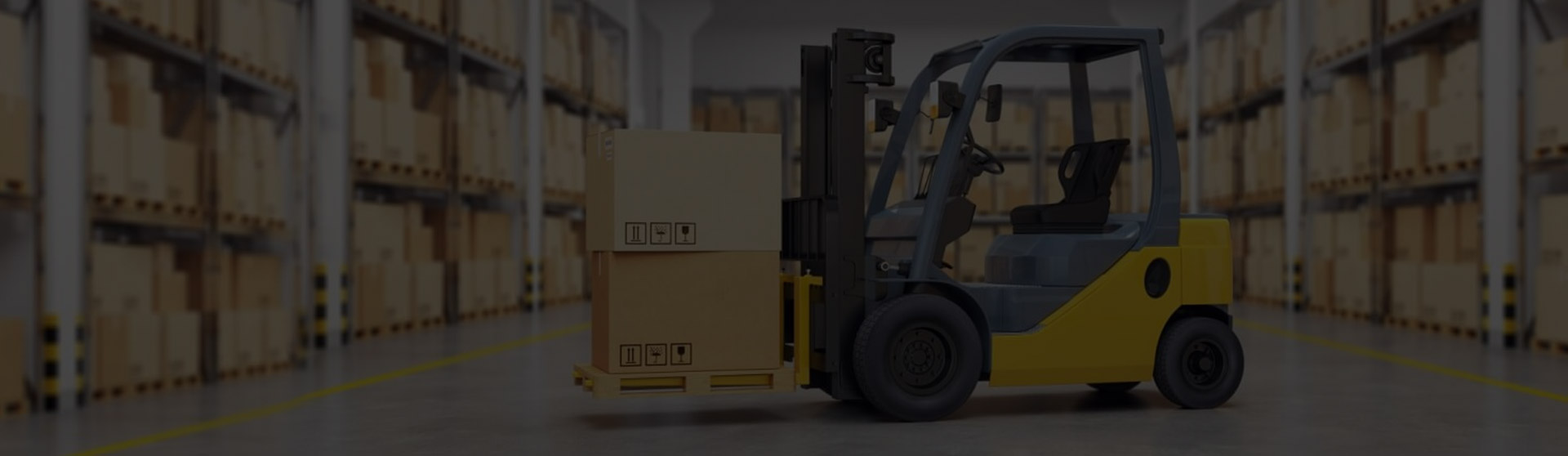

Most forklifts use one of three brake types: mechanical drum brakes, hydraulic disc brakes, or sealed wet disc brakes, with drum brakes remaining the most common choice on standard 1 to 5 ton internal combustion and electric forklifts. The specific type installed depends mainly on load capacity, duty cycle, and operating environment rather than brand preference, since heavier forklifts and continuous multi-shift operations generally shift toward disc or wet disc designs for better heat handling.
Below is a closer look at how each forklift brake type works, where each one is typically installed, and what practical differences an operator or fleet manager should expect between them, along with guidance on wear signs and replacement timing for the forklift brake components that most often need attention.
Content
- 1 The Three Main Forklift Brake Types Explained
- 2 How Forklift Parking Brakes Differ From the Service Brake
- 3 Warning Signs That Point to a Forklift Brake Problem
- 4 Maintenance Practices That Extend Forklift Brake Life
- 5 Frequently Asked Questions About Forklift Brakes
- 5.1 Do electric forklifts use the same brake types as internal combustion forklifts
- 5.2 Why do larger forklifts often use wet disc brakes instead of drum brakes
- 5.3 How often should forklift brake shoes be replaced
- 5.4 Can a forklift still stop safely if the parking brake cable fails
- 5.5 What is the most common cause of uneven forklift braking
The Three Main Forklift Brake Types Explained
A forklift brake system is not a single part but an assembly of components working together to slow, stop, and hold the vehicle safely under load. The friction mechanism at the center of that assembly falls into one of the following categories.
Drum Brakes
Drum brakes use a curved brake shoe lined with friction material that presses outward against the inner surface of a rotating metal drum when the pedal is applied. This design remains common on forklifts in the 1 to 5 ton class because it is mechanically simple, cost effective to service, and provides a wide friction contact area that suits moderate duty cycles well.
Disc Brakes
Disc brakes use a caliper that squeezes friction pads against both sides of a flat rotating disc. Because the disc is exposed to open air rather than enclosed like a drum, heat dissipates faster, which is why disc brakes appear more often on larger forklifts, reach trucks, and units that handle frequent, heavy braking cycles such as port container work.
Wet Disc Brakes
A wet disc brake seals the friction discs inside a housing filled with cooling oil, so the braking surfaces never contact outside dust, moisture, or debris. This design is increasingly common on medium and heavy forklifts because it combines strong heat dissipation with very low maintenance, since the enclosed oil bath both cools and lubricates the mechanism continuously.
| Brake Type | Typical Load Class | Best Suited For |
|---|---|---|
| Drum brake | 1 to 5 ton | Warehouse and general material handling |
| Disc brake | 3 to 10 ton | Frequent stop and go, higher speed yard work |
| Wet disc brake | 5 ton and above | Continuous multi-shift, port, and heavy industrial use |
How Forklift Parking Brakes Differ From the Service Brake
The service brake and the parking brake are usually two separate mechanisms sharing the same drum or disc hardware. The service brake is applied through a foot pedal connected to a hydraulic or mechanical linkage, while the parking brake typically pulls a cable or lever that locks the same drum or disc in place without relying on hydraulic pressure. This separation matters for safety, since a hydraulic leak that disables the service brake does not necessarily disable the mechanical parking brake, giving the operator a backup way to hold the vehicle stationary on a ramp or loading dock.
Warning Signs That Point to a Forklift Brake Problem
Because forklifts frequently carry loads that exceed their own weight, brake components take on far more stress per stop than a typical passenger vehicle brake. Watching for the following signs helps catch wear before it becomes a stopping distance issue.
- A soft or spongy pedal feel, which often points to air trapped in the hydraulic lines or a fluid leak.
- Uneven braking or a pull to one side, which usually means one brake shoe or pad is wearing faster than its opposite side.
- A noticeably longer stopping distance under the same load and speed conditions compared to when the forklift was new.
- Visible fluid around the wheel cylinder or caliper, indicating a seal has begun to fail.
- A grinding or metallic scraping sound during braking, which typically means the friction lining has worn down to the backing plate.
Maintenance Practices That Extend Forklift Brake Life
Forklift brake components wear at a rate driven heavily by operating conditions, so maintenance intervals should follow actual duty cycle rather than a single fixed calendar schedule.
Inspect Friction Material Thickness on a Set Schedule
Brake shoes and pads should be checked for lining thickness at regular service intervals, since a thin lining reduces both stopping power and the margin before metal-to-metal contact damages the drum or disc surface.
Keep Hydraulic Fluid Clean and at Proper Level
Contaminated or low hydraulic fluid is one of the most common root causes behind soft pedal feel and inconsistent braking, so fluid should be checked alongside routine engine and hydraulic system service.
Match Replacement Parts to the Original Brake Design
Using brake shoes, pads, or brake assemblies engineered to match the original drum or disc dimensions helps preserve even pressure distribution, which reduces uneven wear and helps the braking system perform consistently across its service life. Component suppliers such as Zhuji Prebo Brake System Technology Co., Ltd manufacture forklift brake shoes and brake assemblies built to match original equipment specifications for this reason, which helps fleets maintain reliable braking performance when replacing worn parts.
Frequently Asked Questions About Forklift Brakes
Do electric forklifts use the same brake types as internal combustion forklifts
Yes, electric forklifts commonly use drum or disc brakes for the mechanical service and parking brake, though many electric models add regenerative braking through the motor as a secondary deceleration method that reduces wear on the mechanical friction components.
Why do larger forklifts often use wet disc brakes instead of drum brakes
Larger forklifts generate more heat per stop due to higher load weight, and a sealed wet disc brake dissipates that heat more effectively than an open drum while also staying protected from dust and moisture common in heavy industrial sites.
How often should forklift brake shoes be replaced
Replacement timing depends on duty cycle and load frequency rather than a fixed mileage figure, so most fleets base replacement on measured lining thickness during scheduled inspections rather than a calendar interval alone.
Can a forklift still stop safely if the parking brake cable fails
The service brake and parking brake are typically independent systems, so a parking brake cable failure does not usually affect the hydraulic service brake used during normal driving, though the parking brake itself should be repaired promptly since it is the backup system for holding the vehicle stationary.
What is the most common cause of uneven forklift braking
Uneven braking is most often caused by one brake shoe or pad wearing faster than its counterpart on the opposite wheel, which can result from a sticking wheel cylinder, an unevenly adjusted parking mechanism, or mismatched replacement parts.
