
 English
 عربى
عربى
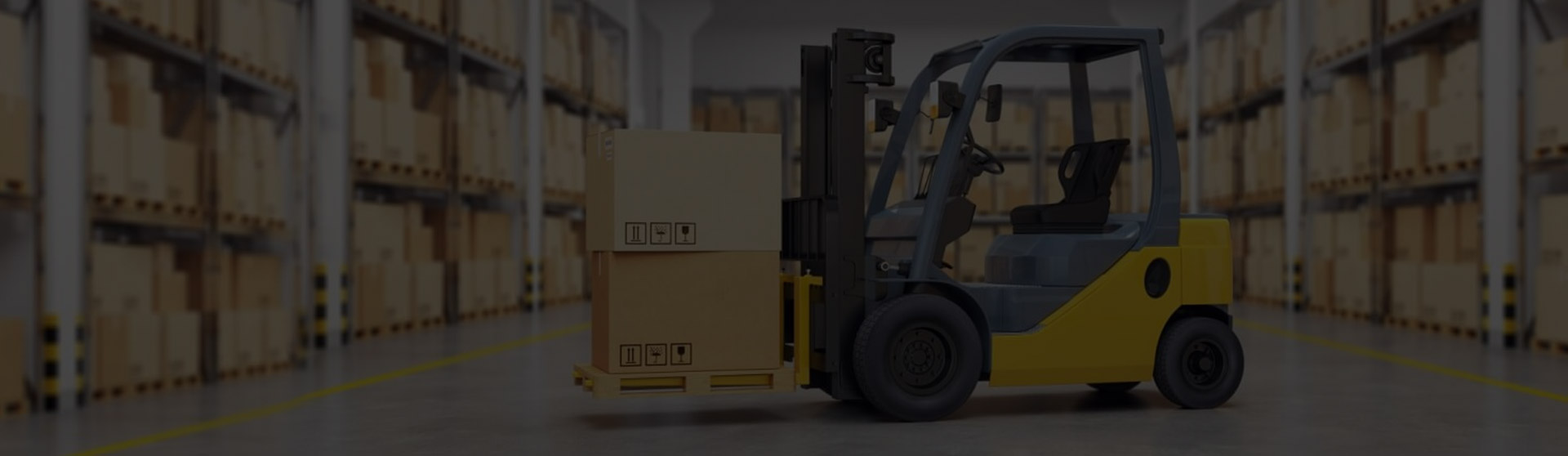

The most common problems in forklift brake systems are worn brake pads or shoes, contaminated brake fluid, air in the hydraulic lines, seized or sticking wheel cylinders, and misadjusted parking brakes — all of which directly reduce stopping power and create serious workplace safety hazards. A compromised forklift brake system is not a deferred maintenance issue: forklifts operating at typical warehouse speeds of 8–12 km/h while carrying loads of 2,000–5,000 kg require reliable braking to stop safely within the confined spaces of loading docks, racking aisles, and pedestrian areas. According to OSHA data, forklift-related incidents account for approximately 85 fatalities and 34,900 serious injuries annually in the United States alone, with brake system failures contributing significantly to collision and runaway incidents. This article identifies every major failure mode in detail and provides practical diagnostic and repair guidance for each one.
Content
- 1 How Forklift Brake Systems Work: The Foundation for Diagnosing Problems
- 2 Problem 1: Worn Brake Pads and Shoes
- 3 Problem 2: Contaminated or Degraded Brake Fluid
- 4 Problem 3: Air in the Hydraulic Brake Lines
- 5 Problem 4: Seized or Sticking Wheel Cylinders and Calipers
- 6 Problem 5: Parking Brake Failure and Misadjustment
- 7 Problem 6: Master Cylinder Failure
- 8 Brake Problem Frequency and Root Cause Analysis
- 9 Forklift Brake Problem Diagnostic Reference
- 10 Forklift Brake Repair Kit: What a Complete Kit Should Contain
- 11 Preventive Maintenance Schedule for Forklift Brake Systems
- 12 Frequently Asked Questions
How Forklift Brake Systems Work: The Foundation for Diagnosing Problems
Before diagnosing failures, understanding the system's operating principles makes problem identification faster and more accurate. Most counterbalance forklifts use one of three service brake configurations, often combined with a separate parking brake mechanism:
- Hydraulic drum brakes: The most common configuration. Master cylinder pressure is transmitted through brake fluid to wheel cylinders at each rear wheel (and sometimes front). Wheel cylinders expand brake shoes against a rotating drum, generating friction. Reliable and well-understood, but sensitive to fluid contamination and shoe wear.
- Hydraulic disc brakes: Found on newer and heavier-duty forklifts. Caliper pistons press brake pads against a rotor. Better heat dissipation than drums, lower maintenance frequency, but more susceptible to pad glazing in stop-start duty cycles.
- Inching/braking pedal systems: Some forklifts use a combined inching-brake pedal that simultaneously modulates transmission engagement and service brake application — wear in this dual-function system can produce symptoms that appear hydraulic but are actually mechanical.
- Parking brake: Typically a mechanically applied drum brake on the rear axle, actuated by a hand lever or foot pedal. The forklift parking brake must hold the loaded vehicle on any grade encountered in the operating environment, and is subject to cable stretch, drum wear, and linkage corrosion.
Problem 1: Worn Brake Pads and Shoes
Brake friction material wear is the most frequently occurring maintenance issue in forklift brakes. In heavy warehouse operations involving frequent acceleration-deceleration cycles, brake shoes on a drum brake system may wear to the replacement threshold in as few as 1,500 to 2,500 operating hours. The consequences of worn friction material progress through three stages:
- Extended stopping distance: As friction lining thickness decreases from the typical new thickness of 8–12 mm toward the minimum serviceable threshold of 2–3 mm, the coefficient of friction decreases and stopping distance increases measurably.
- Metal-to-metal contact: When lining wears through entirely, the steel shoe backing contacts the drum directly. This generates a characteristic grinding noise, rapid drum scoring, and a dramatic reduction in braking force — as well as significant heat that can warp the drum.
- Brake fade: Worn linings combined with heavy use generate excessive heat that causes temporary loss of braking effectiveness — particularly problematic on ramps or loading dock approaches.
Diagnostic check: Remove the brake drum inspection cover (or brake caliper cover for disc systems) and measure remaining lining thickness with a brake lining gauge. On drum brakes, also check shoe-to-drum clearance — the typical specification is 0.25–0.40 mm. Excessive clearance indicates wear or misadjustment.
Problem 2: Contaminated or Degraded Brake Fluid
Hydraulic brake fluid is hygroscopic — it absorbs moisture from the atmosphere over time. In a working forklift's brake system, moisture contamination of DOT 3 or DOT 4 brake fluid begins immediately after filling and accelerates whenever the reservoir cap is opened for inspection. The consequences are significant:
- Reduced boiling point: Fresh DOT 3 fluid has a dry boiling point of approximately 205°C (401°F). Fluid containing just 3.7% water by volume reduces this to approximately 140°C (284°F) — a boiling point that can be reached during heavy braking, causing vapor lock and sudden complete brake failure.
- Internal corrosion: Water in the fluid causes rust formation inside the master cylinder bore, wheel cylinders, and caliper pistons — leading to scored bores, piston seizure, and seal failure.
- Spongy pedal feel: Water vapor bubbles in the fluid reduce its incompressibility, causing the brake pedal to feel soft and requiring greater pedal travel for the same braking force.
Service interval: Replace brake fluid every 2 years or 2,000 operating hours, whichever comes first, regardless of visual appearance. Use a brake fluid test strip or refractometer to check moisture content if the fluid is within service interval but symptoms suggest degradation.
Problem 3: Air in the Hydraulic Brake Lines
Air is compressible; brake fluid is not. When air enters the hydraulic circuit — through a low fluid level, a loose fitting, a failed seal, or during component replacement — the brake pedal loses its firm feel and travels further before generating brake line pressure. In severe cases, the pedal travels to the floor without producing any braking effect.
Common entry points for air in a forklift brake system include:
- Cracked or loose brake line fittings at the wheel cylinder or caliper connections.
- Worn master cylinder primary cup seal allowing air past the piston on the return stroke.
- Reservoir allowed to run dry during use, drawing air directly into the master cylinder bore.
- Incomplete bleeding following brake line or component replacement.
Resolution: Bleed the brake system starting from the wheel cylinder farthest from the master cylinder, working toward the nearest. Use a pressure bleeder or vacuum bleeder for consistent results. Continue bleeding at each point until no air bubbles are visible in the discharged fluid. Confirm the master cylinder reservoir maintains level throughout — if it drops rapidly, identify and repair the source of fluid loss before completing the bleed.
Problem 4: Seized or Sticking Wheel Cylinders and Calipers
Wheel cylinders (drum brakes) and caliper pistons (disc brakes) are subject to seizure from internal corrosion, contaminated fluid, or damaged piston seals. Seizure manifests in two distinct failure modes, both of which compromise safety:
Partial or Full Seizure in the Applied Position
A piston seized in the partially or fully applied position keeps the brake shoe or pad in contact with the friction surface even when the pedal is released. Symptoms include: the forklift feeling sluggish or resistant to movement, one wheel dragging or running significantly hotter than others, and premature wear on the affected brake on one side only. In severe cases, the dragging brake generates enough heat to cause drum warping or rotor scoring within a single shift.
Seizure in the Released Position
A piston seized in the retracted position prevents the brake from applying when the pedal is depressed. The affected wheel contributes no braking force, creating an asymmetric stop that pulls the forklift to one side under heavy braking. This is particularly dangerous when braking to avoid a pedestrian or obstacle, where directional stability is critical.
Both seizure modes require cylinder or caliper replacement or reconditioning with a quality forklift brake repair kit containing new piston seals, dust boots, and honing tools for bore reconditioning if wall scoring is within salvageable limits.
Problem 5: Parking Brake Failure and Misadjustment
The parking brake is the last line of defense against an unattended forklift rolling — a scenario responsible for a significant proportion of warehouse property damage and injury incidents. Forklift parking brake problems fall into three categories:
Cable Stretch and Adjustment Loss
The parking brake cable stretches with use, progressively increasing the amount of lever travel required to achieve full brake application. When lever travel reaches its mechanical limit without full brake engagement, the parking brake no longer holds the rated load on a grade. OSHA requires forklifts to be able to hold on any grade typically encountered during operation — forklift parking brake adjustment is required whenever lever free-play exceeds manufacturer specification, typically when more than 5 to 7 clicks of lever travel are required to achieve full engagement.
Frozen or Corroded Linkage
In outdoor or cold-storage applications, the parking brake cable, equalizer bar, and pivot points are subject to corrosion and freezing. A cable that is corroded internally can appear to move freely at the lever end while actually delivering little or no mechanical force to the brake assembly. Inspect cable conduit and all pivot points for corrosion at each annual service and lubricate with penetrating oil or cable lubricant as appropriate.
Worn Parking Brake Shoes or Drum
If the parking brake uses a dedicated drum separate from the service brake (common on the rear axle of larger counterbalance forklifts), its shoes are subject to the same wear mechanism as service brake shoes — but often go uninspected because the parking brake is tested functionally rather than inspected visually at routine services. Include parking brake drum and shoe inspection in every brake service.
Problem 6: Master Cylinder Failure
The master cylinder converts pedal force into hydraulic pressure. Internal seal failure — typically the primary or secondary cup seals — allows fluid to bypass the piston rather than pressurizing the brake lines. The result is a pedal that travels slowly to the floor under sustained pressure without maintaining brake application, even when the fluid level is correct and no air is present in the lines. This is a gradual failure mode that progresses over weeks before becoming an obvious safety issue — making it one of the most frequently missed problems in routine forklift brake inspections.
A definitive master cylinder internal leak test: with the engine off and transmission in neutral, apply the brake pedal firmly and hold pressure for 30 seconds. If the pedal slowly sinks toward the floor under constant foot pressure, the master cylinder primary seal is bypassing and requires replacement or rebuild with a forklift brake repair kit containing new cup seals sized to the specific master cylinder bore diameter.
Brake Problem Frequency and Root Cause Analysis
Understanding which brake problems occur most frequently helps maintenance managers prioritize inspection resources and stocking of spare parts including forklift brake repair kits. The chart below illustrates the relative frequency of each failure category based on aggregated forklift maintenance records from warehouse and distribution operations.
Figure 1: Relative frequency of forklift brake system failure types in warehouse and distribution operations (illustrative model based on aggregated maintenance data)
Forklift Brake Problem Diagnostic Reference
| Symptom | Most Likely Cause | Diagnostic Step | Required Action |
|---|---|---|---|
| Grinding noise when braking | Worn shoes — metal to metal | Remove drum and measure lining | Replace shoes, inspect drum |
| Spongy or soft pedal | Air in hydraulic lines | Check fluid level, inspect for leaks | Bleed system, repair leaks |
| Pedal sinks under held pressure | Master cylinder seal failure | Hold pedal 30 sec — check for sink | Rebuild or replace master cylinder |
| Pulls to one side when braking | Seized caliper / uneven shoe wear | Compare wheel temperatures post-drive | Replace caliper or rebuild cylinder |
| Forklift drags / sluggish motion | Brake seized in applied position | Check wheel for rotation resistance | Free piston, replace seals |
| Parking brake won't hold on grade | Cable stretch / worn shoes | Count lever clicks at full apply | Forklift parking brake adjustment or shoe replacement |
Forklift Brake Repair Kit: What a Complete Kit Should Contain
When undertaking a brake system overhaul or component rebuild, using a quality forklift brake repair kit specific to the model and year of the machine ensures all seals, springs, and hardware are correctly sized and manufactured to the appropriate material specifications. A comprehensive kit for drum brake systems should include:
- Wheel cylinder rebuild components: Piston cups (primary and secondary seals), dust boots, and spring kits. Verify the cup material is EPDM or equivalent for compatibility with DOT 3/4 fluid — natural rubber cups swell and fail in modern glycol-ether based brake fluids.
- Master cylinder rebuild components: Primary and secondary cup seals, reservoir grommet, return spring, and check valve if applicable to the specific master cylinder design.
- Brake shoe hardware: Return springs, hold-down pins and springs, adjuster hardware (star wheel, adjuster socket). These hardware components fatigue and corrode at similar rates to the shoes themselves — replacing them at each shoe change extends the service life of the new shoes significantly.
- Brake lines and fittings: Copper or nylon brake line for any sections showing corrosion or surface cracking, and new threaded fitting ends to replace those disturbed during disassembly.
Preventive Maintenance Schedule for Forklift Brake Systems
| Maintenance Task | Interval | What to Check |
|---|---|---|
| Pre-shift brake function test | Daily | Pedal feel, stopping response, parking brake hold |
| Fluid level and visual inspection | Weekly | Reservoir level, visible leaks at lines and cylinders |
| Brake lining thickness measurement | Every 250 hours | Measure all shoes/pads — replace at 3 mm minimum |
| Parking brake adjustment check | Every 250 hours | Lever travel, hold test on rated grade |
| Brake fluid condition check | Every 500 hours | Moisture content test, color assessment |
| Full brake system service | Every 1,000 hours or annually | Fluid change, drum/rotor inspection, cylinder condition, hardware replacement |
